
A Guide to Switching From Cigarettes to Vaping

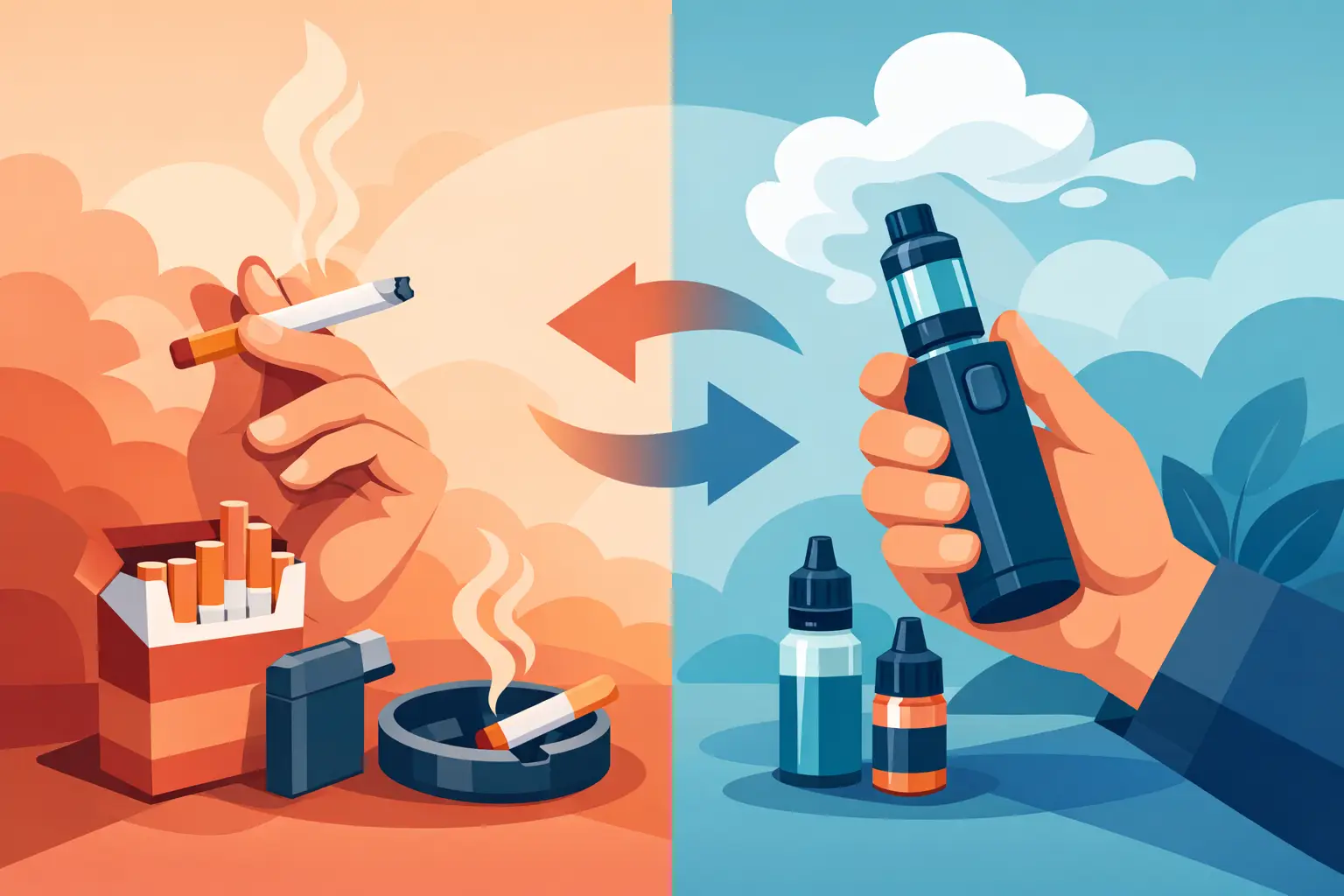
The first few days after putting cigarettes aside can feel strangely inconvenient. The familiar smoke break, the hand-to-mouth routine, and the instant hit of nicotine are all part of the habit. This guide to switching from cigarettes to vaping is designed to make that change more practical for adult smokers: less guesswork, a better starting setup, and a plan for dealing with cravings when they show up.
Vaping is not risk-free, and it is not intended for people who do not currently smoke or use nicotine. But for adult smokers who would otherwise continue smoking, a vape can be a different way to consume nicotine without burning tobacco. The device you choose, the nicotine level you start with, and how you use it all affect whether the switch feels manageable.
Start With the Right Goal
A common mistake is expecting vaping to feel exactly like smoking from the first puff. It will not. Cigarettes create smoke through combustion, while a vape heats e-liquid into an aerosol. The taste, draw, and throat sensation are different, particularly during the first week.
A more useful goal is simple: replace cigarettes consistently enough that you are not bouncing between the two all day. Some adults switch fully on a set date. Others reduce cigarettes over a short, defined transition period. Either approach can work, but an open-ended plan often turns into continued smoking plus vaping rather than a genuine change.
If you have a medical condition, are pregnant, or use prescription medications, speak with a qualified healthcare professional about your nicotine use and options for stopping smoking. Vaping may not be the right choice for every person.
Choose a Device That Fits Your Smoking Pattern
For most people moving from cigarettes, simplicity matters more than advanced features. A device that is easy to charge, refill or replace, and carry with you is more likely to be used when a craving hits.
Disposable vapes for a low-effort start
A disposable vape is straightforward: no coil changes, no filling, and no settings to learn. It can suit an adult smoker who wants to test whether vaping feels like a realistic alternative before committing to a reusable setup. The trade-off is that disposables create more waste and can cost more over time if they become your everyday choice.
Pod systems for regular use
A compact pod device is often the most balanced option for a daily smoker. It is portable, usually easy to operate, and offers more choice in flavor and nicotine level. Some use prefilled pods, while others use refillable pods. Prefilled options reduce mess and setup; refillable pods give you more flexibility and may lower ongoing costs.
Larger devices for more control
More powerful refillable devices can produce more vapor and allow greater adjustment. They can be a good fit for experienced vapers, but they are not automatically the best first purchase for a smoker. More controls also mean more decisions about coils, power, airflow, and e-liquid. If your priority is leaving cigarettes behind, a dependable pod system is often the easier place to begin.
Get Nicotine Right Before Chasing Flavor
Nicotine is usually the biggest reason a switch succeeds or fails. Start too low and you may keep reaching for cigarettes because the vape does not address your cravings. Start too high and you may feel uncomfortable, with symptoms such as nausea, dizziness, or a headache.
Your usual cigarette consumption offers a useful starting point. Someone who smoked occasionally may need a lower nicotine level than someone who smoked throughout the day. The type of device also matters. Pod devices and salt nicotine e-liquids can deliver nicotine differently from larger, lower-strength setups.
Rather than treating nicotine level as a test of willpower, treat it as an adjustment. If you are vaping frequently but still having strong cigarette cravings, you may need a different level or device style. If you feel unwell after vaping, pause and consider reducing your nicotine level or how often you use the device. A knowledgeable retailer can help explain product differences, but personal health questions belong with a healthcare professional.
Use Your Vape Before a Craving Becomes Urgent
Smoking is tied to routines: the first coffee, the drive to work, a break after lunch, or late-night scrolling. Waiting until you feel desperate for a cigarette can make the new habit seem ineffective. Keep your vape charged, accessible, and ready before the moments when you would normally smoke.
At first, you may take several puffs over a few minutes instead of having one quick cigarette. That is normal. Give yourself time to learn what satisfies you. The goal is not to vape continuously. It is to respond to cravings early enough that a cigarette does not become the default answer.
It also helps to change the environment around your old smoking habits. Remove cigarettes, lighters, and ashtrays from your car, desk, and home. If you always smoked outside a particular entrance, take a different route for the first couple of weeks. Small changes interrupt the automatic parts of the routine.
Flavor Is More Than a Preference
Many smokers assume they should begin with a tobacco flavor. Some prefer it, but many find that it reminds them too closely of cigarettes or does not taste like they expect. Mint, fruit, and other familiar flavors can make the experience feel more distinct from smoking.
There is no correct flavor for quitting cigarettes. Choose one you genuinely want to use repeatedly. Keeping a second flavor can also help when your main option starts to feel dull. What matters is that you do not return to cigarettes simply because you are tired of one taste.
Avoid the Most Common Switching Problems
The most frequent issue is choosing a device that is too complicated or a nicotine level that does not match your needs. The second is poor preparation: an empty device, a flat battery, or no spare pod during a long workday can quickly lead to a cigarette purchase.
Have a backup plan from day one. Keep a charging cable where you spend time, know when your device needs replacing or refilling, and avoid running out completely. For adults in Bahrain who value immediate support, VapeShop.bh can help with product questions and convenient delivery when you need a replacement without delay.
Another setback is judging the switch too quickly. A single cigarette does not erase your progress, but it is worth asking what caused it. Was it stress, alcohol, a social situation, an empty device, or weak nicotine satisfaction? Identify the trigger, adjust the plan, and continue. Turning one lapse into a full return to smoking is usually the part that does the most damage.
Give Yourself a Clear Transition Window
A practical transition window might be one to four weeks, depending on how much you smoke and how confident you feel. During that time, pay attention to when you still smoke and why. If your only remaining cigarette is with morning coffee, focus on replacing that exact moment rather than assuming you have failed.
Some people prefer to count cigarette-free days. Others track money saved or notice changes in the smell of their clothes, car, and home. Use the measure that keeps the change visible. If reducing nicotine is eventually your goal, consider doing that only after you are comfortably away from cigarettes. Trying to change every part of the habit at once can make the process harder than it needs to be.
Know When to Get More Support
If you find yourself unable to reduce cigarettes despite vaping, extra support can help. A healthcare professional, smoking cessation counselor, or structured quit program can provide strategies beyond product choice. This is especially useful if stress, anxiety, or a strong daily routine makes smoking feel difficult to separate from your life.
Switching works best when the vape is not just something you bought, but something you prepared to use at the moments cigarettes once controlled. Pick a simple setup, keep it ready, make adjustments without guilt, and let each cigarette-free routine become proof that the next one can be different.
Frequently Asked Questions
This guide is written specifically for adult smokers who would otherwise continue smoking, and explains how to use a vape as a different way to consume nicotine without burning tobacco. It focuses on choosing a practical starting setup, setting a realistic goal for replacing cigarettes, and planning how to handle cravings so the change feels more manageable. The content also highlights that vaping is not risk-free and is not intended for people who do not currently smoke or use nicotine.
The guide explains that vaping will not feel exactly like smoking from the first puff, because cigarettes use combustion to create smoke while vapes heat e-liquid into an aerosol. It notes that taste, draw, and throat sensation are different, especially during the first week, so some adjustment time is normal. This helps smokers set realistic expectations instead of assuming vaping will immediately replicate every aspect of a cigarette.
The guide suggests focusing on a simple goal: replacing cigarettes consistently enough that you are not bouncing between the two all day. It explains that some adults switch fully on a specific date, while others reduce cigarettes over a short, defined transition period. It also warns that open-ended plans often turn into continued smoking plus vaping rather than a clear change in habit.
No, the guide clearly states that vaping is not intended for people who do not currently smoke or use nicotine. Its advice is aimed at adult smokers who would otherwise continue smoking and are looking for a different way to consume nicotine without burning tobacco. It emphasises that vaping carries risks and is only discussed here as an alternative for existing smokers.
Yes, one of the key aims of the guide is to reduce guesswork by giving smokers a plan for dealing with cravings when they appear after putting cigarettes aside. It frames the first few days as potentially inconvenient because the usual smoke break, hand-to-mouth routine, and instant nicotine hit are disrupted. By addressing cravings and habit changes directly, the guide helps make the transition more practical for adult smokers.
The guide highlights that the vape device selected, the nicotine level chosen at the start, and how it is used all influence whether the switch away from cigarettes feels manageable. It does not list specific devices or exact nicotine strengths, but stresses that these factors together shape the overall experience for adult smokers. This helps readers understand that setup decisions are important, not just the decision to vape itself.