
MTL vs DTL Vaping Differences Explained

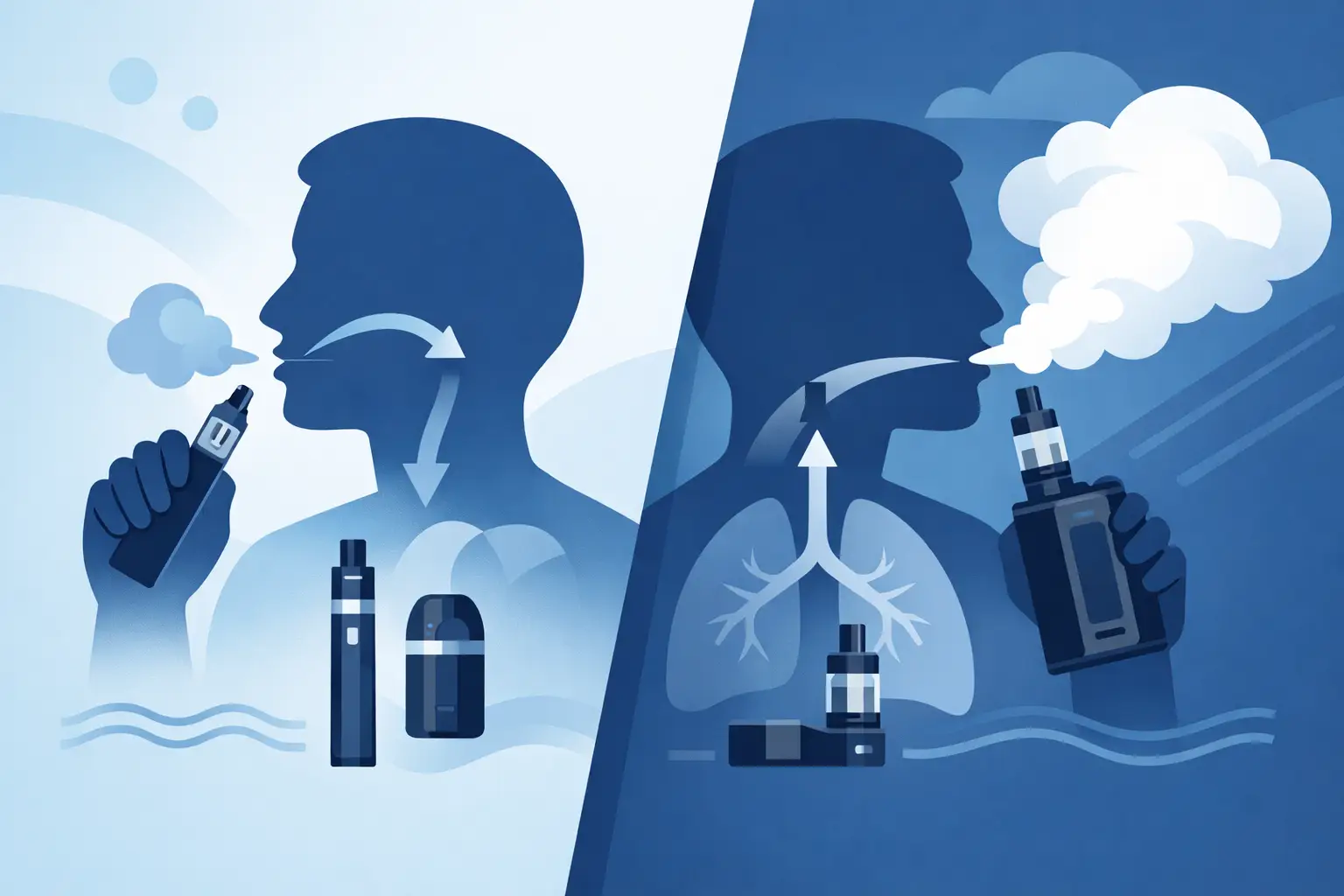
One of the fastest ways to end up with the wrong vape setup is to ignore how you actually inhale. That is really what MTL vs DTL vaping differences come down to. Two devices can look similar on a product page, but if one is built for a tight, cigarette-style draw and the other is made for big, open pulls, they will feel completely different in daily use.
If you are choosing between pod systems, disposables, or larger refillable devices, understanding this split saves time and money. It also helps you avoid common problems like harsh hits, weak satisfaction, leaking from the wrong liquid choice, or a device that simply does not match your routine.
MTL vs DTL vaping differences at a glance
MTL means mouth-to-lung. You draw vapor into your mouth first, then inhale it into your lungs. For most adults switching from cigarettes, this feels more familiar right away. The draw is tighter, the vapor is more modest, and the overall experience is usually more controlled.
DTL means direct-to-lung. You inhale the vapor straight into your lungs in one smooth pull, more like taking a deep breath. The airflow is much more open, the vapor output is larger, and the inhale feels airier.
That basic difference affects almost everything else, including coil resistance, wattage, e-liquid choice, nicotine strength, battery use, and how discreet the device feels in public.
How the inhale feels in real use
The biggest difference is sensation. MTL is usually tighter and more focused. You get a more pronounced throat hit, less vapor in the air, and shorter puffs. This suits people who want something simple, satisfying, and easy to use throughout the day without drawing too much attention.
DTL is looser and fuller. The vapor is cooler or warmer depending on the setup, but there is generally much more of it. Puffs are often longer, and the experience can feel more intense. For some users, that is the appeal. For others, it is too much for regular all-day use.
Neither style is better in a universal sense. It depends on whether you value familiarity and efficiency or open airflow and bigger clouds.
Airflow, coils, and power settings
When customers compare devices, they often focus on design first. What matters more is what is happening inside the device.
MTL devices usually use higher-resistance coils and lower wattage. That means less power is needed to heat the liquid. The result is a more restrained vape that tends to preserve battery life and consume less e-liquid. Many compact pod systems and beginner-friendly devices are built around this style for a reason – they are practical, portable, and easy to live with.
DTL devices usually use lower-resistance coils and higher wattage. More power creates more vapor, but it also uses more liquid and drains the battery faster. These devices often need larger tanks, stronger batteries, and more frequent refills or charging.
This is where expectations matter. If you want something low-maintenance for commuting, errands, or a workday, MTL often makes more sense. If you enjoy adjusting settings and want a more performance-driven vape, DTL may feel worth the extra upkeep.
Nicotine strength and liquid type
This is one of the most important MTL vs DTL vaping differences, and it is where people make expensive mistakes.
MTL setups are commonly paired with nicotine salt e-liquids or other nicotine strengths designed for lower-power devices. Because the vapor output is smaller per puff, these liquids can still feel satisfying. This is one reason MTL is popular with adults who want a compact device that delivers a clear nicotine hit without needing large clouds.
DTL setups are typically paired with lower nicotine strengths. Since each puff produces much more vapor, using a liquid that is too strong can feel harsh very quickly. The larger inhale changes how the nicotine feels, so the right strength for an MTL pod is often not the right strength for a DTL tank.
If you ever hear someone say a vape feels too weak or too harsh, the problem is not always the device itself. Sometimes the inhaling style and liquid strength are simply mismatched.
Vapor production and discretion
Some users want thick visible clouds. Others want a setup that stays subtle in a car, at home, or on a quick break. That preference alone can make the decision easier.
MTL is usually the more discreet choice. Vapor dissipates faster, the draw is quieter, and the device is often smaller. For many adult users, especially those balancing a busy day, this convenience matters more than performance specs.
DTL is much more noticeable. That can be enjoyable when you are relaxing and want a fuller experience, but it is not always practical in every setting. Large vapor production can also mean more attention, more e-liquid use, and more frequent charging.
Which option is easier for beginners?
For most new vapers, MTL is the easier starting point. It asks less from the user. The inhale is intuitive, the devices are usually simpler, and the risk of choosing the wrong power level is lower. If someone is moving from cigarettes or wants a no-fuss setup, MTL often feels natural within a day or two.
DTL has a steeper learning curve. The inhale style is different, and the hardware can be less forgiving if the settings, coil, or liquid are not well matched. That does not make it difficult for everyone, but it is usually better suited to users who already know they prefer airy draws and heavier vapor.
A lot of experienced vapers still prefer MTL, so this is not about beginner versus advanced in a simplistic way. It is more about whether you want straightforward satisfaction or a broader performance range.
Device size, battery life, and daily convenience
Practical use matters. MTL devices are often smaller and more pocket-friendly. Because they run at lower wattage, battery life tends to be better relative to size. If you rely on a device throughout a long day, that efficiency is a real advantage.
DTL setups tend to be larger because they need more battery capacity and larger e-liquid storage. That is fine if performance is your priority, but it is less convenient if you want something light and simple.
For many customers, the best device is not the one with the biggest output. It is the one they will actually enjoy carrying, charging, and using consistently.
How to choose between MTL and DTL
The simplest way to decide is to think about your routine, not just the product category.
If you want a familiar draw, stronger throat hit, lower vapor output, and a device that fits easily into a busy schedule, MTL is usually the better fit. It is especially useful for adults who want a compact setup with dependable day-to-day use.
If you want open airflow, large vapor production, and a more immersive inhale, DTL may be the better choice. Just expect more e-liquid use, more battery demand, and less discretion.
If you are still unsure, start with the style that creates fewer complications. In many cases, that means beginning with MTL and moving to DTL later only if you find yourself wanting more airflow and more vapor.
Common mistakes when comparing the two
The first mistake is choosing based on appearance alone. A sleek device can still feel completely wrong if the inhale style does not suit you.
The second is using the wrong liquid strength for the setup. A strong nicotine liquid in a high-output DTL device can feel unpleasant fast, while a very low strength liquid in a small MTL device may not feel satisfying enough.
The third is assuming bigger clouds mean a better vape. For some people, they do. For others, they just mean more maintenance.
That is why good advice matters. A quick conversation about how you currently smoke or vape, how often you use your device, and whether you want something discreet usually reveals the right path faster than comparing specs for an hour.
If you are buying from a shop with a wide range of pods, disposables, coils, and liquids, asking the right question matters more than asking for the most powerful option. At VapeShop.bh, that practical approach is what helps customers choose faster and avoid buying a setup that does not suit their routine.
The right vape should feel natural within the first few puffs. If it feels like work, too airy, too tight, too harsh, or too weak, the issue is often not quality – it is simply choosing MTL when you wanted DTL, or the other way around. Get that part right, and everything else becomes much easier.
Frequently Asked Questions
MTL means mouth-to-lung, where vapour is drawn into the mouth first and then inhaled into the lungs. DTL means direct-to-lung, where vapour goes straight into the lungs in one smooth inhale. The main difference is the draw: MTL is tighter and more controlled, while DTL is more open and airy.
MTL is the style that most closely resembles a cigarette draw. It uses a tighter inhale and a more discreet vapour output, which many beginners find familiar. This is why it is often the first style people compare when choosing a vape in Bahrain.
DTL uses a more open airflow, which lets more vapour pass through on each inhale. That usually creates larger clouds and a smoother-feeling pull than MTL. It is a different experience from the tighter, more modest vapour output of mouth-to-lung vaping.
MTL is commonly associated with higher nicotine strengths and nicotine salts, while DTL is generally paired with lower nicotine e-liquids. The inhale style changes how strong the hit feels, so choosing the wrong one can make the vape feel too harsh or too weak. This matters when shopping for the right setup in Bahrain.
MTL is usually better for discreet use because it produces smaller clouds and a tighter draw. DTL is more open and produces more vapour, so it is less subtle in public. If discretion matters, MTL is the closer match.
Yes, pod systems can be designed for either style depending on airflow and coil setup. Some are made for a tight MTL draw, while others support a looser DTL inhale. The product page should always be checked so the device matches the way you inhale.
If you want a tighter, cigarette-like draw, MTL is the closer fit. If you prefer a looser inhale with bigger vapour output, DTL is the better match. For customers in Manama and across Bahrain, the right choice depends on how you naturally inhale and what feel you want day to day.