
How to Stop Disposable Vape Leaking Fast

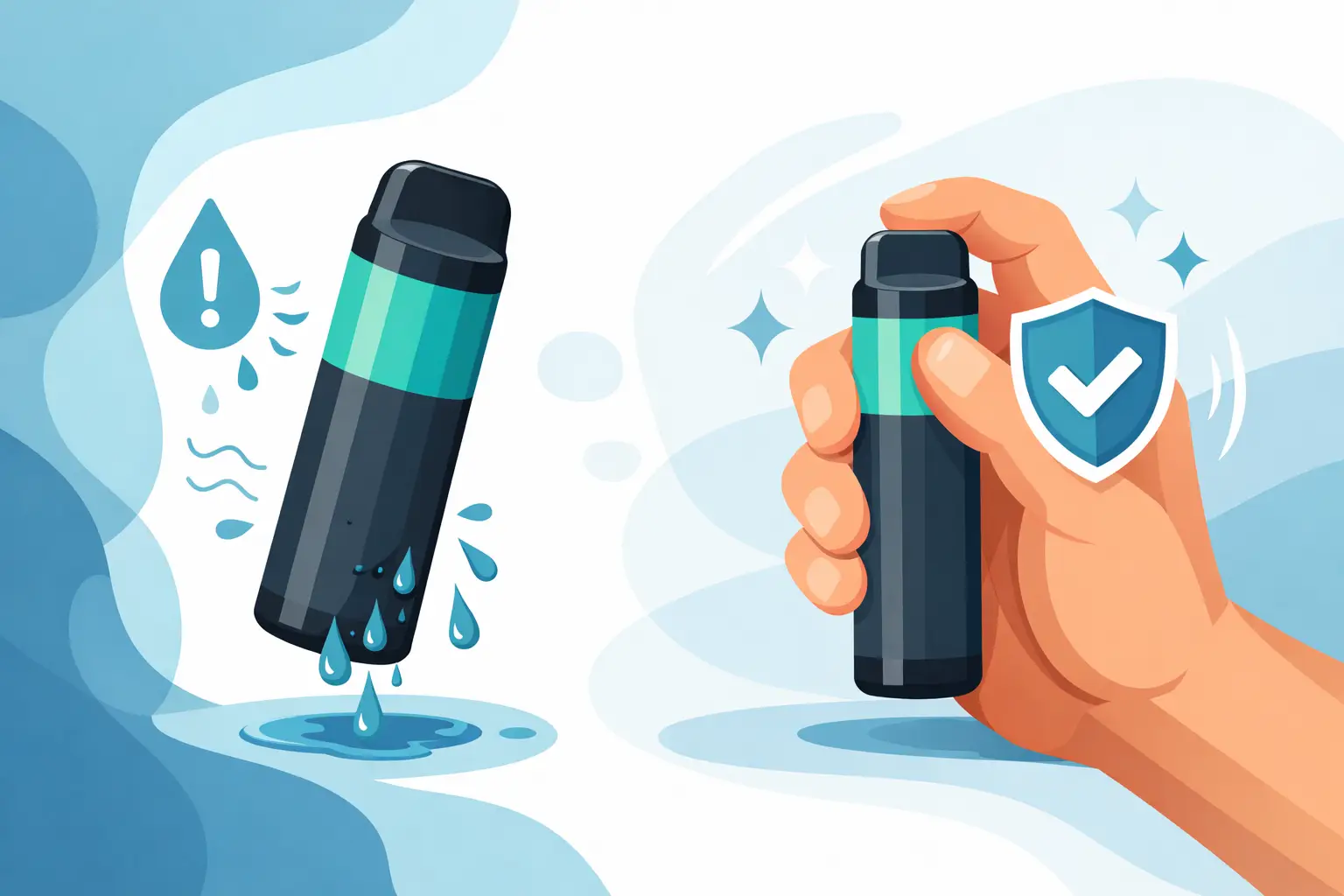
A leaking disposable usually shows up at the worst time – in your pocket, in your car cup holder, or right before you take a puff and get e-liquid on your lips. If you are trying to figure out how to stop disposable vape leaking, the good news is that most leaks come from a small set of causes. The fix depends on whether the device is slightly over-saturated, exposed to heat, stored the wrong way, or simply at the end of its usable life.
Disposable vapes are designed for convenience, but they are not immune to pressure changes, temperature swings, and rough handling. Because the tank and coil system are sealed, you cannot rebuild or fully repair them the way you might with a refillable device. That means the goal is usually to stop the leak early, reduce mess, and decide quickly whether the device is still worth using.
Why disposable vapes leak in the first place
Most disposable leaks start when more e-liquid reaches the coil area than the wick can handle. Once that happens, excess liquid collects in the airflow path and eventually escapes through the mouthpiece or bottom air holes. This is often called flooding, and it is one of the most common reasons a disposable feels messy even when it still powers on.
Heat is another major cause. Leave a disposable in a hot car or direct sunlight and the e-liquid can thin out. Thinner liquid moves faster, which makes it more likely to seep into places it should not. In a climate with regular heat exposure, this matters more than many users realize.
Pressure and altitude changes can also force liquid out, especially if the device has been shaken around in a bag or carried loosely in a pocket. Even normal daily movement can push liquid into the airway if the vape is stored upside down for long periods.
There is also the simple reality of manufacturing variation. Some disposables are built better than others. A unit can leave the package with a weak internal seal or a coil that saturates too easily. When that happens, careful use helps, but it may not fully solve the problem.
How to stop disposable vape leaking right away
Start by wiping the mouthpiece, airflow holes, and outer body with a clean tissue or paper towel. This sounds basic, but it matters. Once liquid builds around the opening, every puff can spread it further and make the leak seem worse than it is.
Next, hold the device upright for a while. If it has been lying flat or upside down, gravity may have pushed excess liquid into the airway. Letting it rest vertically gives the internal wick time to rebalance. In many mild cases, this alone improves performance.
If you hear gurgling, do not keep puffing hard to clear it. Strong draws can pull even more liquid into the coil chamber. Instead, take one or two gentle puffs after wiping the mouthpiece. A softer inhale is often enough to vaporize extra liquid without worsening the flood.
You can also tap the device very lightly against your palm with the mouthpiece facing up, then wipe it again. The goal is not to shake it aggressively. Rough movement usually makes leaks worse. You are just trying to help small droplets move away from the airway.
If the leak is coming from the bottom airflow area, set the vape upright on a tissue for several minutes. Sometimes excess liquid drains internally and the leaking slows once the chamber settles. If it keeps seeping after that, the internal seal may already be compromised.
Storage habits that make a big difference
The best way to prevent leaking is to store the device upright whenever possible. A disposable left horizontally on a desk for a short time is usually fine, but constant sideways storage increases the chance of e-liquid pooling where it should not.
Avoid heat whenever you can. Cars, windowsills, and outdoor tables are common problem spots. Warm conditions thin the liquid, and once it starts moving too freely, leaks become much more likely. If you carry a disposable during the day, keeping it in a shaded bag compartment is better than a tight jeans pocket exposed to body heat all afternoon.
Try not to leave it rolling around with keys, chargers, or other items. Repeated impact can loosen internal components or force e-liquid into the airflow channel. Disposables are portable, but they are not built for abuse.
If you are storing a new disposable before use, keep it in a cool, dry place and leave any protective plugs in place until you are ready to use it. Opening it too early and then tossing it in a drawer can create avoidable mess.
Puffing style matters more than people think
One reason people struggle with leaks is that they inhale too sharply. A disposable is usually built for steady, moderate puffs, not hard pulls. When you draw too aggressively, you can oversaturate the coil faster than it can vaporize the liquid.
Short pauses between puffs also help. Chain vaping can flood the coil because the wick keeps feeding liquid while the device does not have enough time to clear the previous draw properly. If the vape starts sounding wet or airy, give it a minute before using it again.
This is one of those situations where more force does not equal better performance. A controlled inhale is usually cleaner, tastes better, and reduces the chance of spitback and leaking.
When a disposable vape is not worth saving
Sometimes the device is simply done. If it leaks heavily from the first day, keeps gurgling no matter how you store it, or spits liquid repeatedly into your mouth, there may be an internal fault you cannot fix. Because disposables are sealed units, there is a limit to what practical troubleshooting can do.
Another red flag is a sudden drop in vapor production combined with leaking. That can mean the coil is oversaturated, damaged, or near failure. If the battery is weak and the coil can no longer vaporize liquid efficiently, excess e-liquid tends to collect instead of being turned into vapor.
A crack in the casing or mouthpiece is also reason enough to stop using it. Even a hairline crack can break the pressure balance inside the device. At that point, continued use usually means more leaking, not less.
For adult users who rely on disposables for convenience, replacing a faulty unit quickly is often the most sensible move. Spending too much time trying to rescue a badly leaking disposable can be more frustrating than helpful.
How to tell leaking from normal condensation
Not every bit of moisture means the device is leaking. Condensation can build inside the mouthpiece during regular use, especially with frequent puffs. That moisture is usually thinner, lighter, and limited to the top opening.
A real leak is more persistent. You may notice liquid around the airflow holes, a sticky outer surface, gurgling sounds, or e-liquid collecting fast enough that wiping does not solve it for long. If the device only feels slightly damp at the mouthpiece after use, condensation is the more likely cause.
This distinction matters because condensation is easy to manage. A quick wipe and a slower puffing pace are often enough. A true leak points to flooding, heat exposure, damage, or internal failure.
How to stop disposable vape leaking in hot weather
Hot weather deserves its own mention because it changes how disposable vapes behave. If your device has been exposed to heat, bring it back to room temperature before using it again. Do not try to fix the issue by taking repeated puffs right away. That often turns a small leak into a larger flood.
Set it upright, wipe all openings, and let it sit for a bit. Once it has cooled, test it with a gentle draw. If the leak stops, the issue was likely temporary thinning of the liquid. If it continues, heat may have already caused enough internal movement to overwhelm the coil area.
For users who need reliable all-day convenience, especially in warm conditions, simple storage discipline goes a long way. Keep the device upright, out of direct heat, and protected from constant jostling.
If a disposable starts leaking, act early. A quick wipe, better storage, and gentler puffs can save a device that is only slightly flooded. But if it keeps leaking after that, trust what the device is telling you. Clean performance should be standard, and replacing a faulty vape is often the smarter choice than fighting with it all day.
Frequently Asked Questions
Most disposable leaks start when too much e-liquid reaches the coil area, flooding the airflow path so liquid escapes through the mouthpiece or bottom air holes instead of turning into vapor. To stop it fast, gently wipe any juice from the mouthpiece and air vents, then take shorter, softer puffs and give the device a few seconds between hits so the coil can catch up. Avoid squeezing or biting the body, and if it keeps leaking heavily even after cleaning and gentle use, it is usually a sign the device is reaching the end of its usable life.
Liquid in the mouth is usually caused by a flooded coil or condensation building up in the mouthpiece rather than a full tank leak. Clean the mouthpiece with a tissue, then use slow, gentle puffs instead of hard pulls, and leave a short pause between each draw to prevent extra liquid from being dragged into the airway. If you still feel gurgling or see drops after doing this, the disposable is likely oversaturated or near the end of its life and may need to be replaced.
Yes, heat is a major reason disposable vapes start leaking, because high temperatures thin the e-liquid and let it move faster into places it should not, like the airflow path or mouthpiece. Leaving a disposable in a hot car or in direct sun makes leaks and spitback much more likely, especially when the device is already a bit flooded. Try to keep it at room temperature, out of sunlight, and avoid using it immediately after it has been in a hot environment.
Disposable vapes are less likely to leak when they are stored upright, because that keeps the liquid away from the airway and mouthpiece. In a pocket, car cup holder, or handbag, try to stand the device vertically instead of laying it flat for long periods. Avoid squeezing it in tight spaces, and do not leave it somewhere that gets very hot, as both pressure and heat can push more liquid into the coil area and cause leaks.
A slightly leaky disposable can sometimes be used again after you clean off the excess liquid, clear the mouthpiece, and switch to slower, gentler puffs with breaks between hits. If liquid keeps pouring out, the device feels constantly gurgly, or you have to wipe it after every few pulls, it usually means the coil area is badly flooded or the internal seals have failed. At that point, it is generally better to stop using it rather than risk more mess or getting a lot of raw e-liquid in your mouth.
Taking many puffs in a row without a break can flood the coil, because fresh liquid keeps soaking in faster than it can be turned into vapor. When that happens, excess e-liquid collects in the airflow path, causing gurgling, spitback, and sometimes visible leaking from the mouthpiece or air holes. To prevent this, take slow pulls, allow a few seconds of rest between each puff, and set the device down upright when you are not using it.
If a fresh disposable leaks right away, it may have been slightly oversaturated from the start, or affected by temperature and pressure changes during transport. Start by wiping the mouthpiece and any visible juice, then take a couple of gentle, short puffs to clear extra liquid from the airway instead of pulling hard on the first hit. If it continues to leak noticeably even after careful cleaning and gentle use, it is likely a faulty unit rather than something you can fully fix at home.