

Vape Batteries Safe Use and Everyday Care

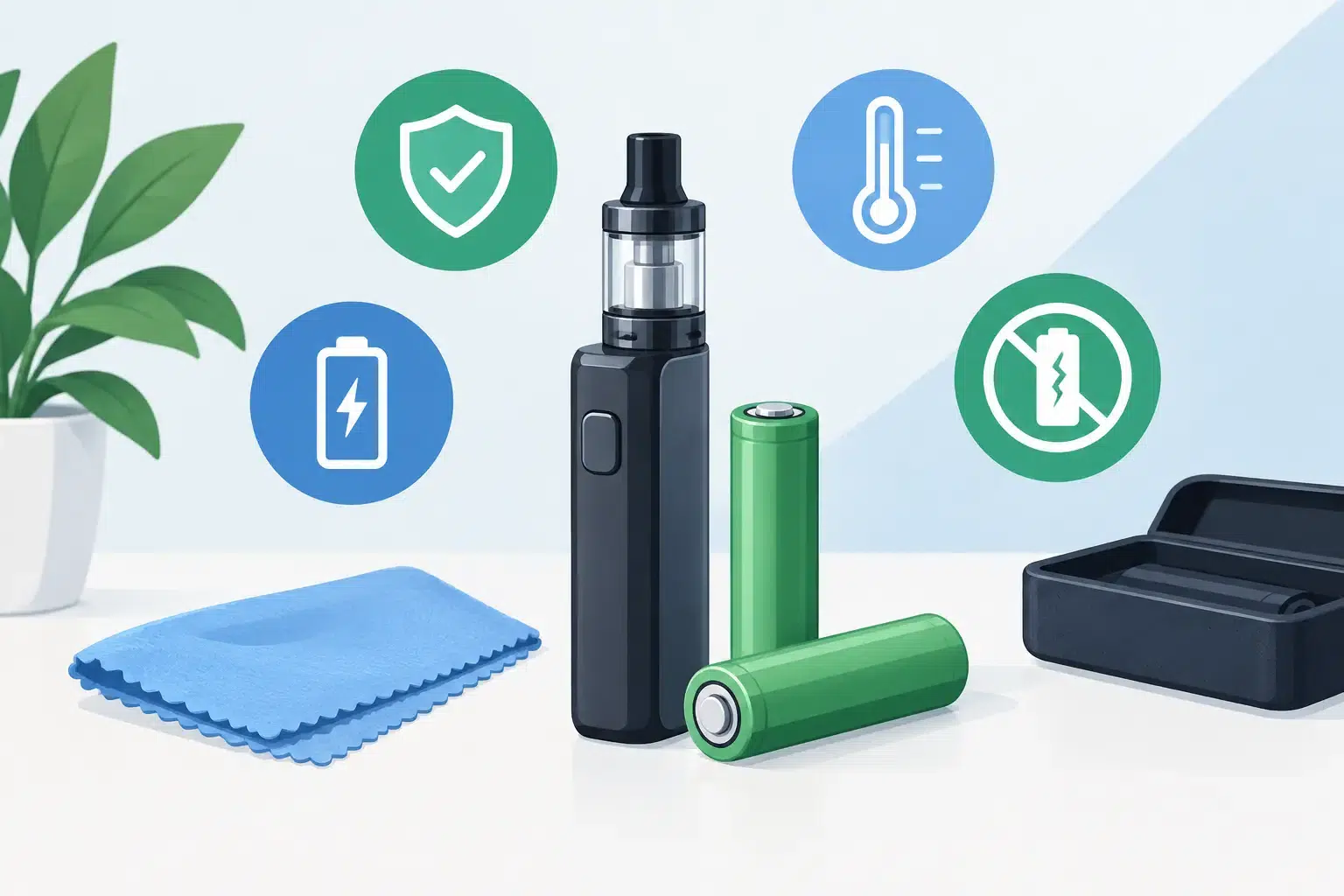
A vape that suddenly feels weak halfway through the day is frustrating, especially when you are heading to work, driving across town, or settling in for the evening. Vape batteries are usually the reason behind inconsistent performance, slow firing, or a device that will not turn on at all. A few practical habits can protect your device, improve reliability, and help you know when it is time for a replacement.
For adult vapers, battery care is not about making a device complicated. It is about choosing a setup that fits your routine, charging it properly, and recognizing signs that should not be ignored.
Why Vape Batteries Matter
The battery supplies the power that heats your coil. When that power is stable, your device performs more consistently. When the battery is low, aging, or damaged, you may notice weaker vapor, slower firing, reduced flavor, or the need to recharge much more often.
Battery capacity is commonly measured in mAh, short for milliamp hours. In simple terms, a higher mAh rating usually means more potential runtime between charges. It does not automatically mean a better device, though. A compact pod is designed for portability and convenience, while a larger device may offer longer use but take up more space and require more attention.
Power settings also affect battery life. Higher wattage uses more power, so a device set for stronger output will need charging sooner than one used at a lower setting. There is no single best choice. The right balance depends on whether you prioritize a small, easy-to-carry device or longer use between charges.
Built-In vs. Removable Vape Batteries
Most current pod systems and many disposable options use a built-in rechargeable battery. These devices are straightforward: charge through the designated port, use the supplied or compatible cable, and recharge when the indicator shows a low battery. They are a practical option for people who prefer minimal maintenance.
Devices with removable batteries give experienced users more flexibility. You can keep a properly stored spare cell for longer days and replace an aging battery without replacing the entire device. That convenience comes with more responsibility, since removable cells must be the correct type, in good condition, and handled carefully.
If you are choosing between the two, think about your actual routine. A built-in battery is often the easier choice for commuting, travel, and everyday simplicity. Removable batteries may suit users who understand their device requirements and want more control over runtime. Do not purchase a battery based only on size or appearance. Check the device manual or the specifications provided for your model.
Capacity Is Not the Only Factor
A battery with a large capacity can still be a poor fit if it cannot safely provide the output your device requires. Similarly, a small battery may be perfectly suitable for a low-power pod. Device compatibility matters more than chasing the largest number on a package.
This is one reason trusted guidance is useful when replacing cells or selecting a new device. A compatible battery supports predictable performance. An unsuitable one can create avoidable safety concerns and shorten the life of your equipment.
How to Charge a Vape Battery Safely
Charging is where everyday decisions make the biggest difference. Use the charging cable recommended for your device, or a good-quality compatible cable with the appropriate connection. Avoid forcing a loose port, using a visibly damaged cable, or charging from an unreliable power source.
Place the device on a hard, clear surface while it charges. Keep it away from direct sunlight, beds, sofas, blankets, and anything that traps heat. In Bahrain, a hot car can reach temperatures that are not suitable for electronics, so do not leave a vape or spare battery inside a parked vehicle.
Many modern devices include protective features that stop charging when the battery is full. Even so, it is best to charge when you can check on the device rather than leaving it unattended for long periods. If it becomes unusually hot, smells unusual, makes odd noises, or the casing changes shape, disconnect it if safe to do so and stop using it.
You do not need to drain a rechargeable battery completely before charging it. In fact, regular top-ups can be easier on both your day and your device. Recharging before the battery is fully depleted also helps prevent the disappointing moment when your vape stops working at an inconvenient time.
Storage and Carrying Rules That Prevent Problems
A loose removable battery should never sit unprotected in a pocket, bag, drawer, or car console. Keys, coins, and other metal objects can contact both ends of the battery and create a short circuit. Use a dedicated battery case whenever carrying spare cells.
Keep batteries clean and dry. If you see torn wrapping, dents, corrosion, leaking, or damage around the positive end, do not use that battery. The outer wrap is part of its protection, not just a label. A damaged battery should be set aside for appropriate recycling or disposal according to local guidance, never placed in household trash if a battery collection option is available.
Store devices and batteries in a cool, dry place away from children and pets. Extreme heat is a concern, but so is moisture. A device left near a sink, pool, or gym bag can develop problems that are not obvious immediately.
Signs It Is Time to Replace a Battery or Device
All rechargeable batteries lose capacity over time. The change is usually gradual: you may find yourself charging more often, or the device may feel less consistent even with a fresh coil and adequate e-liquid. That does not always mean there is a serious fault, but it does mean the battery may be nearing the end of its useful life.
Replace a removable battery when it has physical damage, no longer holds a practical charge, or behaves unpredictably. With built-in battery devices, frequent charging, unreliable firing, or a major drop in runtime may be a reason to consider replacing the device, especially if it has already seen heavy daily use.
Do not try to repair, puncture, open, or modify a battery. Tape is not a fix for damaged wrapping, and using a battery after a hard drop is not worth the risk. When in doubt, stop using it and ask for informed product support.
Do Not Ignore These Warning Signs
Take a device out of use immediately if you notice swelling, excessive heat during normal use, a burning smell, visible leakage, or repeated error messages that remain after basic troubleshooting. If the charging port is loose or damaged, do not keep charging through it. A replacement is usually the safer and more practical decision.
Small Habits That Improve Daily Performance
Keeping the connection points clean can help your device charge and fire more reliably. Turn off the device if it has a power button and you are carrying it in a bag or pocket. For pod systems, wipe away any condensation or leaked e-liquid around the pod connection before reinserting it.
Match your charging habits to your schedule. Someone who uses a compact device throughout a long workday may benefit from a short recharge before leaving home. Someone who uses a higher-power device may need to plan for longer charging time. The goal is not to charge constantly, but to avoid letting a low battery become a daily surprise.
If you need help choosing a compatible device, charger, or replacement option, VapeShop.bh can provide clear guidance and fast support for adult customers. Asking one quick question before ordering can prevent the wrong purchase and save time later.
A reliable vape should feel uncomplicated. Give the battery a clean charging space, protect it from heat and damage, and replace it when its performance clearly changes. Those simple decisions make every day with your device safer and far less frustrating.
Frequently Asked Questions
Use a setup that matches your routine and charge the device properly. Avoid using a battery that is damaged, aging, or causing weak vapor, slow firing, or frequent recharging.
A low or aging battery can reduce power, leading to weaker vapor, slower firing, and reduced flavor. Higher wattage also uses more power, so stronger output may require charging sooner.
mAh means milliamp hours and is commonly used to describe battery capacity. A higher mAh rating usually means more potential runtime between charges, but it does not automatically make a device better.
Higher wattage uses more battery power and can shorten the time between charges. Lower settings generally use less power, while the suitable balance depends on the device and daily routine.
Consider replacement when the device fires slowly, produces weaker vapor, loses flavor, needs charging much more often, or will not turn on. A battery that is damaged or showing unreliable performance should not be ignored.
Compact pods are designed for portability and convenience, while larger devices may offer longer use between charges but take up more space and require more attention. The better fit depends on how the device will be used during the day.
VapeShop.Support is available through WhatsApp at +973 66324432, with COD, BenefitPay, and card payment options.