

How to Dispose Vape Batteries Safely at Home

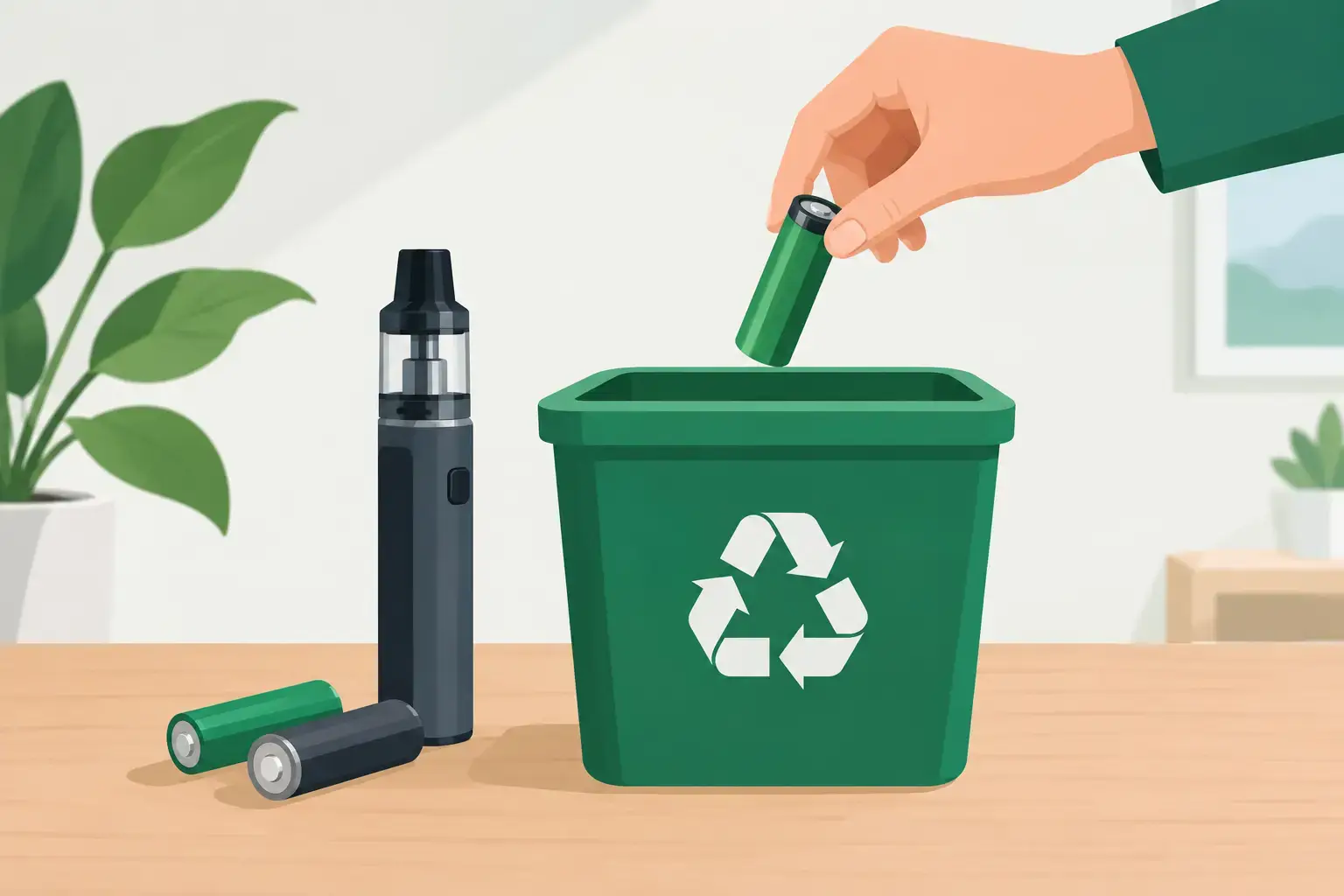
A used vape can look harmless once the flavor is gone, but its battery may still hold enough energy to create a fire risk if it is crushed, punctured, or thrown into regular trash. Knowing how to dispose vape batteries properly protects your home, waste workers, and the environment – especially with compact disposable devices that are easy to overlook.
Most vape batteries use lithium-ion technology. These batteries are lightweight and powerful, but they do not belong in household garbage, curbside recycling bins, or loose at the bottom of a drawer. The right disposal method depends on whether the battery can be removed and what collection options are available near you.
Why vape batteries need special handling
Lithium-ion batteries can retain a charge long after a device stops producing vapor. If a battery is compacted in a garbage truck, damaged at a sorting facility, or touches metal items such as keys or coins, it can overheat and ignite. A small battery can become a serious problem when mixed with paper, plastic packaging, and other flammable waste.
There is also a recycling issue. Batteries contain materials that should be processed through dedicated channels rather than sent to landfill. Correct collection helps recover useful materials and keeps damaged cells out of general waste streams.
Disposable vapes deserve particular attention. Because the battery is built into the device, people often assume the whole unit can go in the trash. It cannot. Treat a disposable vape as electronic waste with a battery inside, even when it no longer works.
How to dispose vape batteries safely
Start by identifying the type of device you have. A rechargeable vape with a removable battery is handled differently from a pod device with an internal battery or a fully disposable unit. Do not force open a device simply to reach the battery. Opening the casing can damage the cell, expose wiring, and create a short circuit.
For a removable battery, take it out only if the device is designed for safe battery removal. Check that the battery wrap is intact. If you see tears, dents, swelling, corrosion, unusual heat, or leaking, do not use the battery again and do not carry it loose. Place it carefully in a nonflammable container away from direct heat while you arrange proper drop-off.
Before transporting an intact removable battery, cover both terminals with nonconductive tape. Electrical tape is a good option. The purpose is simple: prevent the terminals from touching metal or another battery during transport. Put each taped battery in its own small plastic bag or protective case.
For devices with built-in batteries, keep the device intact. If possible, switch it off first. Avoid charging it before disposal, and never try to drain the battery by leaving it running unattended. The safest path is to take the complete device to an electronics-waste or battery collection point that accepts small rechargeable devices.
Do not put batteries in these places
A few shortcuts create most battery-related disposal problems. Do not place vape batteries or complete disposable vapes in:
- Regular household trash
- Curbside recycling bins
- Fire pits or outdoor burning piles
- A freezer, microwave, or water container
- Loose storage with coins, keys, or other metal items
Throwing a battery away may feel convenient, but collection crews and recycling facilities cannot reliably identify every battery before machinery crushes it. Keeping it separate is the responsible step.
Find the right drop-off option
The best destination is a designated battery-recycling, electronic-waste, or hazardous-waste collection service that accepts small lithium-ion batteries. Availability varies by area, so call ahead or review the service instructions before making a trip. Ask specifically whether the location accepts loose rechargeable batteries, devices with built-in batteries, and disposable vapes.
In Bahrain, collection arrangements can vary between providers and locations. If you are unsure where to take a device, contact your local waste authority, a recognized electronics-waste service, or the retailer where you purchased it. A retailer may be able to explain whether a device has a removable cell and point you toward an appropriate collection route, even if it does not run a take-back program.
Do not leave batteries outside a shop or collection site after hours. Heat, rain, and physical damage can make them less safe, and an unattended battery may not reach the correct recycling stream. Take it directly to a staffed or clearly designated collection point.
If the battery is damaged or overheating
A swollen, hot, leaking, smoking, or hissing vape battery requires extra care. Do not touch a hot device with bare hands, do not charge it, and do not place it in a sealed container. Keep people away from the area and move away from anything flammable if you can do so without handling the battery unnecessarily.
If there is smoke, fire, or an immediate risk to people or property, contact emergency services. For a damaged but stable battery, contact a qualified waste collection provider for handling instructions before transport. A compromised battery is not one to keep in your car while you run errands.
Store used batteries safely before recycling
You may not have access to a collection point the same day, so safe temporary storage matters. Choose a cool, dry spot away from sunlight, heaters, fuel, paper, fabrics, and children or pets. A sturdy plastic container with a loose-fitting lid can help keep batteries contained and organized. Do not stack loose batteries together.
For removable cells, tape the terminals and separate each one. Keep full devices upright where possible and protect them from being crushed. If you use several disposable vapes, set aside a clearly labeled container for used devices rather than leaving them in bags, cup holders, or drawers.
It is also wise to recycle batteries regularly instead of building a large collection. The more cells stored together, the more chances there are for accidental contact, damaged wrapping, or forgotten devices exposed to heat.
Make disposal part of buying decisions
The easiest time to think about battery disposal is before your next purchase. Rechargeable devices can reduce the number of battery-containing products you dispose of, but they require responsible charging and eventual recycling. Disposable devices offer simplicity, yet each one still needs a proper electronic-waste route at the end of its usable life.
Neither option is maintenance-free. A rechargeable device needs a compatible cable, sensible charging habits, and periodic replacement of components. A disposable device removes some of that upkeep, but it should never be treated like ordinary litter. Choose the option that fits your routine, then plan where the battery will go when it is finished.
Keep the device packaging until you understand its battery setup. It can help identify whether the battery is removable, rechargeable, or built in. If instructions say not to disassemble the product, follow that guidance. A recycling center can assess the complete device more safely than an improvised attempt to separate its parts.
A safer routine for every finished device
When a vape reaches the end of its life, take a moment before tossing it aside. Turn it off if possible, inspect it for damage, separate removable batteries only when the design allows it, protect exposed terminals, and use an approved battery or electronics collection option. That short routine prevents the most common disposal mistakes.
A finished vape is small, but the decision about where it goes has real consequences. Store it safely, hand it to the right collection service, and make responsible disposal as routine as choosing your next device.
Frequently Asked Questions
Do not place used vape batteries in household garbage or curbside recycling bins, as lithium-ion cells can ignite if crushed or damaged. Take removable batteries to a designated battery collection point and sealed vape devices to an authorized e-waste drop-off location in Bahrain.
No. A disposable vape contains a built-in lithium-ion battery and should be treated as electronic waste rather than household rubbish. Keep the device whole and take it to an authorized e-waste collection point.
Keep the used device switched off in a cool, dry place away from direct sunlight, heat, children, and pets. Do not leave it loose in a drawer or near keys, coins, or other metal objects while waiting to take it to an approved collection point.
Remove the battery only if the device is designed for safe removal, then cover its terminals with non-conductive tape to reduce the risk of a short circuit. Store it separately in a dry container and take it to a designated battery collection point.
Do not use, charge, puncture, crush, or place a damaged battery in regular waste. Keep it separate from flammable materials and contact the Supreme Council for Environment or an approved recycler for instructions before moving it.
Use a designated battery bin, authorized e-waste collection point, retailer take-back program, or approved hazardous-waste route, depending on the battery condition. Local guidance identifies e-waste drop-off options in areas including Seef and Askar, but availability should be confirmed before visiting.
Lithium-ion batteries can retain energy after a vape stops producing vapor and may overheat if crushed in waste trucks or sorting facilities. Keeping them out of general waste helps protect waste workers, homes, and the environment while allowing dedicated recycling channels to process the battery safely.