

Your Practical Guide to Vape Battery Safety

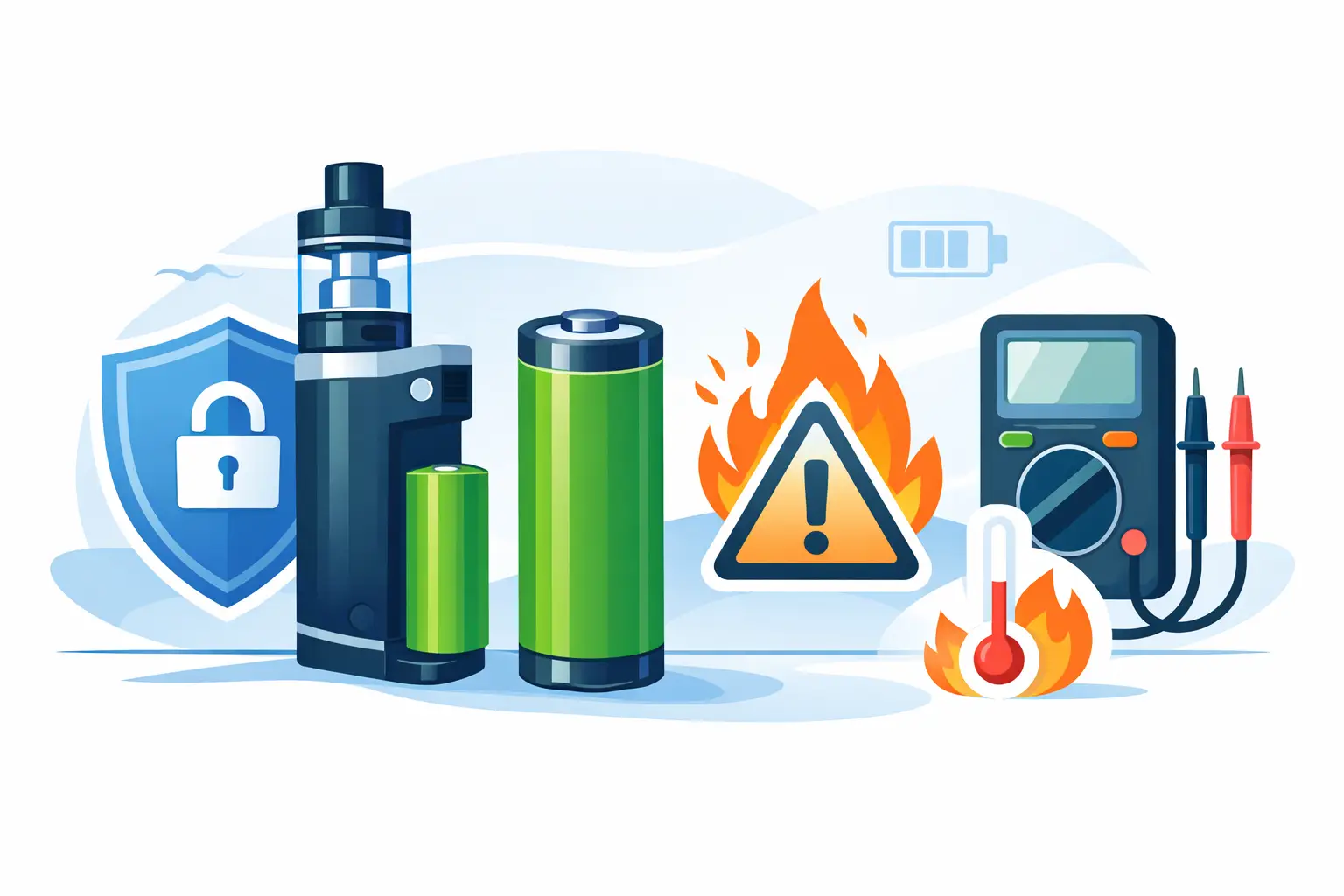
A vape that suddenly feels too hot in your pocket, a loose battery rolling around in a bag, or a charger grabbed from a drawer may seem like small details. They are not. This guide to vape battery safety covers the everyday habits that help protect your device, your belongings, and the people around you.
Most modern vape devices are straightforward to use, especially compact pod systems and disposables. Still, they rely on lithium-ion batteries, which store significant energy in a small space. Treating that battery with basic care is what keeps vaping convenient rather than turning a simple recharge into a preventable problem.
Guide to Vape Battery Safety: Start With Your Device
The safest setup is the one you understand. Before charging or carrying a new device, check whether it has a built-in battery or uses removable batteries. Built-in battery devices are charged through a USB port and should never be opened, punctured, or modified. If the battery no longer holds a charge or the device is damaged, replace the device rather than attempting a repair.
Devices with removable batteries need an extra level of attention. Use only the battery type and size specified by the manufacturer. A battery that fits physically is not always a battery that is suitable electrically. Do not mix old and new batteries, different brands, or batteries with different charge levels in the same device.
For newer vapers, simpler devices can reduce the chance of setup mistakes. Experienced users may prefer more adjustable equipment, but higher-power settings and removable batteries require closer attention to compatible parts, battery condition, and charging practices. More control can be useful, but it also means more responsibility.
Charge With Care, Not Convenience
Charging is where many battery safety issues begin. Use the charging cable supplied with your device when possible, or a quality replacement that matches the required connection. Pair it with a suitable power source rather than an unknown, damaged, or overly powerful adapter.
Place the device on a hard, stable surface while it charges. A desk, countertop, or table is a better choice than a bed, sofa, car seat, or pile of clothing. Soft materials can hold heat around the device, and they make it harder to notice if something is wrong.
Avoid leaving a vape charging overnight or while you are away from home. Many devices have charging protections, but those features are not a reason to ignore a device for hours. Unplug it once charging is complete, then store it in a cool, dry place.
Heat is especially relevant in Bahrain. A vape left in a parked car can be exposed to extreme temperatures quickly, even during a short stop. Heat can shorten battery life, affect performance, and increase the risk of battery damage. Take your device with you instead of leaving it in a vehicle, near a sunny window, or beside a heat source.
Never charge a device that is wet, leaking, visibly damaged, or unusually hot. Let it cool down first if it has been used heavily. If moisture has entered the charging port, do not plug it in. Wipe the exterior carefully, allow the device to dry completely, and replace it if there is any doubt about its condition.
Keep Loose Batteries Protected
If your device uses removable batteries, never carry spare batteries loose in a pocket, purse, backpack, or car compartment. Coins, keys, and other metal objects can contact both ends of a battery and create a short circuit. That can cause rapid overheating.
Use a dedicated plastic battery case for every spare battery. It is inexpensive, easy to carry, and far safer than wrapping batteries in tissue or placing them in a small zip bag. Check the case occasionally too. If it is cracked, no longer closes securely, or has debris inside, replace it.
Battery wraps matter as much as the battery itself. The outer wrap is insulation, not decoration. If you see a tear, nick, bubbling, dent, corrosion, or damage around the positive end, stop using that battery. Do not assume a small tear is harmless. A damaged wrap can expose metal and make a short circuit more likely.
Know the Warning Signs
Battery problems are often preceded by warning signs. Pay attention if your vape starts behaving differently, even if it still works. Stop using and charging the device if you notice any of the following:
- Unusual heat during normal use or charging
- Swelling, bulging, dents, cracks, or a damaged battery wrap
- A sharp chemical smell, hissing sound, smoke, or discoloration
- Charging that repeatedly fails, takes far longer than usual, or stops unexpectedly
If a device becomes hot, place it on a nonflammable surface away from people and combustible materials if it is safe to do so. Do not hold it against your body, put it in water, or try to continue using it. If there is smoke, fire, or immediate danger, move away and contact local emergency services.
A device that leaks e-liquid is not automatically a battery emergency, but it should still be handled promptly. Leaks can reach the charging port or internal electronics, causing poor performance and possible damage. Clean the outside with a dry cloth, keep liquid away from the USB port, and avoid charging until you are confident the device is dry and working normally.
Avoid DIY Fixes and Mismatched Parts
A damaged charging port, loose battery door, or unreliable firing button is a reason to stop using the device, not a reason to improvise. Do not tape batteries together, force a battery into place, bypass protections, or use a cable with exposed wires. Those shortcuts can create risks that are not visible until the device is under load.
The same rule applies to chargers. A cable that only works when bent a certain way or a plug that becomes hot should be replaced. Charging accessories are part of the safety system, not an afterthought.
When replacing pods, coils, or batteries, choose parts intended for your specific device. Compatibility is not just about whether something clicks into place. Correct components help the device manage power, heat, and charging as designed.
Build Safe Habits Into Your Routine
Good battery care does not need to slow you down. Make a quick check part of your normal routine: look at the device before charging, keep it out of direct heat, and store spare batteries in a case. If you carry a vape daily between work, home, and errands, use a protective sleeve or compartment that prevents pressure, scratches, and contact with keys.
Keep devices and batteries away from children and pets. Store them where they cannot be reached, handled, or accidentally chewed. This is particularly important for small disposable devices and spare batteries, which can be easy to overlook on a table or in an open bag.
It also helps to replace aging equipment before it becomes unreliable. Battery capacity naturally declines with use. Shorter run time alone does not always mean a safety issue, but frequent overheating, inconsistent charging, physical damage, or repeated malfunctions are clear signs that it is time for a replacement.
For customers who need a quick replacement or have a compatibility question, VapeShop.bh can help identify suitable devices, batteries, pods, and charging accessories before you order. A short question at the start can prevent the wrong purchase and make daily use easier.
Battery safety comes down to a simple standard: if a device looks damaged, feels unusually hot, or behaves in a way you cannot explain, stop using it. Replacing one questionable item is always the better choice than taking a chance with the battery that powers it.
Frequently Asked Questions
This guide focuses on simple daily habits that keep your vape device, belongings, and people around you safer when using lithium‑ion batteries. It explains how to handle situations like a vape getting too hot in your pocket, loose batteries in a bag, and using the right charger so small oversights do not turn into bigger problems.
Yes, the guide is designed for modern devices, including compact pod systems and disposables that rely on lithium‑ion batteries. It shows how basic care when charging and carrying these devices keeps vaping convenient and helps avoid preventable battery issues.
The guide clearly distinguishes between devices with built‑in batteries and those that use removable batteries. It explains that built‑in battery devices are charged via USB and should never be opened or modified, while removable‑battery devices require extra attention to using the correct type and size specified by the manufacturer.
The guide uses real‑world examples like a vape feeling too hot in a pocket or a loose battery rolling in a bag to show why careful handling matters. It then outlines practical habits for charging, carrying, and storing batteries so that routine use does not lead to overheating or other avoidable risks.
Yes, it explains that devices with removable batteries need more attention, including only using the battery type and size recommended by the manufacturer. It also warns against mixing old and new batteries, different brands, or batteries with different charge levels in the same device, as a battery that fits physically may not be suitable electrically.
The guide is written for newer vapers as well as experienced users, with a focus on understanding the basics of how your device is powered. For beginners, it highlights that simpler devices and clear battery care habits reduce the chance of setup mistakes and keep everyday vaping safer.
Yes, it states that built‑in battery devices should not be opened, punctured, or modified, and that a device with a battery that no longer holds a charge or shows damage should be replaced instead of repaired. This approach helps avoid unsafe tampering with the battery housing or circuitry.