
Snus in Bahrain: Legal Status, Health Facts & Alternatives

Introduction: why “snus Bahrain” keeps popping up
Searches for “snus Bahrain” or brands like ZYN and Swedish Match have become common among adult smokers and vapers who are curious about smokeless tobacco and nicotine pouches. Many have seen Scandinavian users place a small pouch under the lip all day and wonder if that could be a discreet, low-smell way to manage nicotine instead of smoking or vaping. Others hear that snus is considered much less harmful than cigarettes in places like Sweden and assume it might be an easy shortcut to reducing harm.
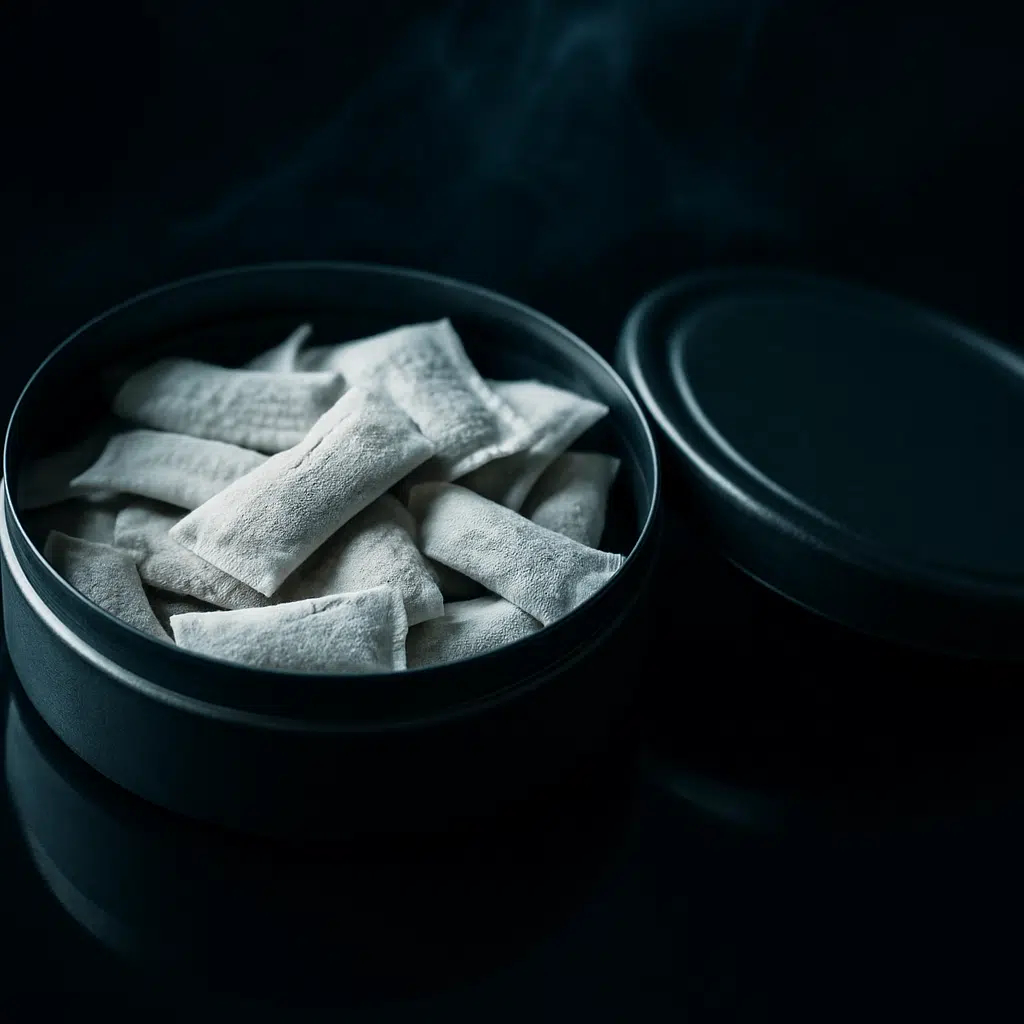
The reality is more complicated, especially under local law. Snus and similar oral products sit at the intersection of public health, tobacco regulation, and personal habit. This guide breaks down what snus actually is, how it compares to modern nicotine pouches and vaping, what the law says, and which legal alternatives are available for adults living in the kingdom today. The aim is not to convince anyone to use nicotine, but to give a clear, honest overview so decisions are made with facts rather than rumours or social media clips.
What exactly is snus?
Swedish roots and how snus is used
Snus is a traditional Scandinavian oral tobacco product that has been used for more than two centuries. Unlike cigarettes, snus is not burned and there is no smoke. It is made from finely ground tobacco mixed with water, salt, and flavourings, then either packed loose or portioned into small sachets that look a bit like tiny tea bags. A user tucks a portion above the upper lip, often for 30 minutes or longer, and nicotine is absorbed through the lining of the mouth.
Because there is no combustion, snus avoids the tar and many toxic by-products found in cigarette smoke. It does still contain nicotine and tobacco-specific chemicals, and it is clearly a tobacco product rather than a medicine. Snus can be pasteurised or fermented depending on the manufacturing tradition, and modern Swedish-style snus is usually pasteurised to reduce certain unwanted compounds. Flavours range from traditional tobacco and bergamot to mint and fruit, which is one reason it appeals to some smokers who dislike the taste and smell of burnt tobacco.
From a user’s viewpoint, the key features of snus are steady nicotine delivery, discreet use with no visible vapour, and minimal smell. That combination makes it attractive to workers who cannot smoke on shift, travellers who do not want to step outside constantly, or anyone who wants to avoid the social downsides of smoke and strong odour. Those same traits are also why regulators pay close attention, because discreet products can be harder to control, especially among younger people.
Snus vs modern nicotine pouches
In recent years, tobacco-free nicotine pouches have entered the global market and are often casually called “white snus” or simply “snus”, even though they are not the same product. Traditional snus always contains tobacco leaf, which brings nicotine plus a wide range of other tobacco compounds. Modern nicotine pouches are made from plant fibres and food-grade additives infused with purified nicotine, usually extracted from tobacco but sometimes synthesised. The pouch is placed under the lip in the same way, but there is no ground tobacco inside.
From a chemistry and regulatory viewpoint, this difference matters. Snus is clearly an oral tobacco product, while nicotine pouches are technically a non-combustible nicotine delivery product without tobacco leaf. Manufacturers often highlight that nicotine pouches contain no tobacco and therefore fewer contaminants. At the same time, they still deliver nicotine, an addictive substance, and long-term independent data on heavy pouch use is not yet as extensive as the long history of cigarette research.
In daily life, the distinction can be even more blurred. Many users care more about the taste, the “kick”, and ease of use than the exact formulation. Whether the pouch contains tobacco or not, the ritual is similar: take a pouch, tuck it under the lip, and forget about it while the nicotine slowly releases. This similarity in use is one reason many legal systems now treat snus and nicotine pouches in a comparable way, even if the ingredients are different.
Is snus legal in Bahrain?
The tobacco law and oral tobacco ban
In the kingdom, snus and other oral tobacco products are banned. A comprehensive anti-tobacco law adopted in 2009, followed by a Ministry of Trade and Industry decision in 2010, prohibits the import and retail sale of any tobacco products designed for chewing, placing under the tongue, or keeping in the mouth. The text explicitly covers snus and similar products used in some neighbouring countries under different names, such as swika, shamma, tumbak, and other chewing or dipping tobaccos.
This means traditional snus cannot legally be imported, distributed, or sold in shops or online to consumers. The ban is not a grey area; it is a clear policy decision by legislators and health authorities who grouped snus with other smokeless tobaccos. While scientific debates continue in Europe about snus as a harm reduction tool, the legal position locally is straightforward: snus is not a permitted consumer product.
Practical implications matter for everyday users. Local retailers are not allowed to stock snus, and any website openly advertising snus for sale into the kingdom would be operating outside the regulatory framework. This is why genuine snus products are not part of the standard tobacco or vape product mix in compliant stores, even though many adults have heard of them or used them abroad.
Nicotine pouches and “white snus” under local rules
Some adults assume that if traditional snus with tobacco is banned, tobacco-free nicotine pouches might be allowed as a loophole. That is not the case. Regulatory updates have extended the ban to include modern nicotine pouches, treating them as prohibited oral nicotine products. In practice this means that importing, selling, buying, or using nicotine pouches is also banned, despite their tobacco-free status.
The logic behind the decision is that both traditional snus and nicotine pouches deliver nicotine through the mouth, are easy to conceal, and can appeal to younger users. Lawmakers chose to keep all oral nicotine and tobacco pouch products out of the legal market instead of trying to split hairs between tobacco-containing and tobacco-free formats. The result is that nicotine pouches share the same legal status as snus, even though they are technically different products.
For adults who see nicotine pouches promoted in Europe or North America as a smoke‑free alternative, this can be surprising. It is important to separate what is legal in other countries from what is permitted locally. Products that are heavily advertised abroad, including well-known international pouch brands, are not authorised oral nicotine products here.
What about bringing snus in your luggage?
Travellers often ask whether they can bring a few cans of snus or a roll of nicotine pouches in personal luggage when flying. Because the law bans importation rather than only commercial sale, bringing snus or pouches through customs sits on very shaky ground. Even if some people have done it without being stopped, that does not make it legal or risk‑free. Customs officials have the right to confiscate prohibited products and, in more serious cases, may take further action.
There is no official exemption that clearly permits a small “personal allowance” of snus for private use. When a product class is banned, it is safest to assume that any quantity can be treated as prohibited. For residents who previously used snus while living abroad, this can be frustrating, but it is better to understand the legal reality than to face problems at the airport.
If the goal is to avoid smoking and stay on a non‑combustible nicotine product, there are legal alternatives such as regulated vaping devices, heated tobacco, or medically approved nicotine replacement therapy. Those options do not raise the same border control questions and are supported by clear standards inside the country.
Health evidence: how harmful is snus compared to smoking?
What long‑term data from Sweden and Norway suggests
Most of what is known about snus and health comes from Sweden and Norway, where it has been widely used for decades. Large epidemiological studies have compared health outcomes in daily snus users with those in cigarette smokers and never‑tobacco users. The overall picture from independent research is that snus is much less harmful than smoking, but not risk‑free.
Because snus is not burned, users are not inhaling smoke into their lungs. This difference strongly reduces the risk of lung cancer, chronic obstructive pulmonary disease, and other respiratory illnesses that are heavily linked to combustion. Several studies have found that exclusive snus users have dramatically lower rates of smoking‑related mortality, with some analyses estimating that overall smoking‑related deaths could be reduced by more than 90 percent if smokers fully switched to snus.
Cardiovascular risk appears more nuanced. Some research suggests that snus use is associated with little or no increase in heart attack risk compared with non‑smokers, while other studies have observed a possible elevation in the risk of fatal heart attack or stroke in certain subgroups. Overall, the risk profile is still substantially better than continued cigarette smoking, but not as favourable as quitting all nicotine and tobacco entirely.
Risks that still exist with snus
Even though snus seems far less dangerous than smoking, it is not harmless. Snus contains nicotine, which causes dependence and can raise heart rate and blood pressure in the short term. Some users find that heavy snus use keeps them strongly attached to nicotine, making it harder to eventually quit. Oral use can also irritate the gums and mucosa, and some studies have examined links between snus and certain cancers of the digestive tract, though findings are mixed and often show much lower risks than smoking.
Another concern is dual use. Some smokers switch partly to snus but continue to smoke at a reduced level. While any reduction in cigarettes is generally better than none, dual use can blunt the potential health benefits, because even low levels of smoking still carry significant risk. Public health experts often stress that the largest gains come when smokers move completely away from smoked products rather than adding a second nicotine source on top.
Youth uptake is also part of the policy debate. Where snus is legal, regulators worry about teenagers starting nicotine use with oral pouches and later moving on to smoking. Evidence from Scandinavia suggests that many snus users there are former smokers rather than never‑smokers, but youth patterns can change over time as products and marketing evolve. These uncertainties contribute to why some countries remain cautious or outright ban snus despite its reduced‑risk profile compared with cigarettes.
Why adults here keep searching for snus
Common reasons people look for snus
There are several reasons why adults in the region type “snus Bahrain” into search engines even though the product is banned. One group consists of expatriates and frequent travellers who used snus in Scandinavia or Europe and want to maintain the same routine after relocating. For someone who has already switched from smoking to snus abroad, being told that their product is no longer legal can feel like a step backwards.
Another group includes local smokers and vapers who have seen online content about snus and nicotine pouches as low‑smell, low‑maintenance ways to get nicotine. The discreet nature of a small pouch under the lip appeals to people working in offices, hospitals, security roles, or other environments where smoking and vaping are restricted. The idea of “no smoke, no vapor, almost no smell” can sound very convenient compared with taking vape breaks or standing outside with a cigarette.
Lastly, some adults are simply curious about all tobacco and nicotine options and want to understand the full landscape before deciding what to use or whether to quit altogether. In a digital age where products and trends travel faster than regulations, it is natural for informed consumers to research options that may not be familiar to local shops or clinics.
Reality check: law, availability and online “workarounds”
Despite this interest, the legal reality does not change: snus and nicotine pouches are banned products. Some individuals attempt to order from overseas websites or ask friends to bring pouches in their luggage. These workarounds can seem tempting in the short term, but they carry obvious risks, from customs seizures to quality issues when dealing with unverified sellers and unknown storage conditions during shipping.
Another point to consider is product reliability. When a product is banned, it falls outside normal regulatory oversight and consumer protection inside the country. If a pouch is counterfeit, contaminated, or mislabelled in terms of nicotine strength, there is less recourse. In contrast, legal nicotine products such as regulated vaping devices and e‑liquids must follow standards around ingredients, labelling, and child‑resistant packaging.
For adults whose main goal is to stay away from combustible cigarettes, focusing on legal, regulated options is the more stable path. It avoids the stress of customs concerns, reduces the chance of ending up with dubious products, and allows users to seek support from local retailers and healthcare providers who understand the law and the available choices.
Legal alternatives to snus in Bahrain
Nicotine replacement therapy (NRT)
Nicotine replacement therapy includes products such as patches, gum, lozenges, and certain prescription options, all designed to deliver a controlled dose of nicotine without any tobacco. These products are regulated as medicines rather than consumer tobacco items and are usually available through pharmacies and healthcare facilities. They are meant to help smokers cut down gradually or quit by reducing withdrawal symptoms and handling cravings in a structured way.
Health authorities recognise NRT as a legitimate smoking cessation tool, and it is included on the national essential medicines list. For eligible patients using public services, the cost of NRT can be fully covered, which lowers the financial barrier to trying a medically supervised quitting plan. This support makes NRT a strong option for adults who are ready to move away from nicotine entirely rather than simply switching to another long‑term habit.
Because NRT products are dosed and labelled carefully, users can step down their nicotine intake over time with guidance from a doctor or smoking cessation clinic. Side effects are usually mild when used correctly, and there is extensive clinical evidence backing their safety profile compared with continued smoking. For anyone serious about quitting, discussing NRT with a healthcare professional is often a good first step.
Vaping e‑liquids as a smoke‑free option
Vaping is another non‑combustible alternative that has become popular among adult smokers. Modern regulations treat e‑cigarettes and vape products as equivalents of traditional tobacco products, with clear rules on ingredients, packaging, and advertising. One key rule is that nicotine concentration in e‑liquids is capped at 20 mg per millilitre, both for freebase and salt nicotine formulations where applicable. This cap is designed to strike a balance between enough nicotine to satisfy adult smokers and limiting the risk of very high‑strength products.
Unlike snus, which delivers nicotine steadily over time through the mouth, vaping relies on inhaling aerosolised e‑liquid produced by a battery‑powered device. Users can choose between simple disposable vapes, compact pod systems, and more advanced kits, depending on how hands‑on they want to be. Nicotine salt e‑liquids in strengths up to 20 mg/ml are especially popular with people transitioning from cigarettes because they provide a smooth throat hit and quick nicotine absorption without the harshness that high‑strength freebase can cause.
Another appeal of vaping is flavour variety. While snus flavours are relatively limited, vape e‑liquids cover classic tobacco, rich dessert profiles, fruits, mints, and blends. This variety helps many ex‑smokers break the psychological association with cigarette taste and smell. For those who enjoyed the discreet aspect of snus, compact pod devices with low vapour output can offer a relatively low‑profile experience while remaining within legal boundaries.
Heated tobacco products (heat‑not‑burn)
Heated tobacco, sometimes called heat‑not‑burn, is a third category that sits between cigarettes and vaping. Devices such as IQOS use real processed tobacco sticks but heat them to a controlled temperature instead of burning them. This produces a nicotine‑containing aerosol with far fewer combustion by‑products than a conventional cigarette, although it still involves real tobacco rather than e‑liquid.
Heated tobacco products are regulated as tobacco products and must comply with packaging, health warning, and sales age rules. For smokers who cannot adapt to vaping or who dislike e‑liquid flavours, heated tobacco can feel closer to the familiar ritual of lighting up, but with reduced smoke and odour. Independent research indicates that exposure to certain harmful chemicals is substantially lower than with cigarettes, though not as low as with nicotine‑free options or complete abstinence.
Because heated tobacco uses specially designed sticks rather than loose snus or pouches, it falls under a different part of the regulatory framework. That distinction matters for consumers who want to stay within the law while still moving away from traditional cigarettes. When considering any product, adults should keep in mind that the safest option remains quitting all nicotine and tobacco; alternatives are primarily about risk reduction for those who would otherwise continue smoking.
Choosing a vaping setup if you were curious about snus
Matching the satisfaction of snus with vaping
Many adults who were drawn to snus are looking for specific qualities: steady nicotine, low fuss, and minimal disruption during work or social activities. A well‑chosen vape setup can match many of these needs while staying fully compliant with local regulations. For example, a small pod system with nicotine salt e‑liquid in the 10–20 mg/ml range can deliver a satisfying hit in just a few puffs, allowing quick breaks similar in length to stepping aside to put in a new pouch.
Devices designed for mouth‑to‑lung vaping mimic the tighter draw of a cigarette and use lower power, which reduces vapour clouds. This style suits users who want a discreet experience and do not care about large plumes. Paired with subtle flavours such as light tobacco, mint, or mild fruit, it can provide a background level of nicotine without overwhelming the senses of people nearby.
Another advantage of vaping is adjustability. Users can step down to lower nicotine strengths over time, switch flavours to avoid boredom, or experiment with different airflow settings to find a comfortable balance. Someone who might have chosen a strong snus portion abroad can instead start with a higher legal nicotine strength in a pod system and gradually reduce as their cravings become milder.
Practical tips for new adult vapers
Anyone considering vaping as an alternative should first confirm that they are of legal age and understand that vaping is for smokers and existing nicotine users, not for non‑smokers or under‑18s. It is wise to begin with a simple, reputable device rather than complex advanced kits. Starter pod systems usually come with straightforward instructions, fixed power levels, and compatible replacement pods, reducing the chances of user error.
Choosing the right nicotine strength is crucial. Adults who smoke heavily often do best starting near the upper legal limit of 20 mg/ml with nicotine salts, then adjusting downwards if they feel light‑headed or if cravings are modest. Lighter smokers or dual users may prefer 10–12 mg/ml. Flavour selection is personal; some ex‑smokers find that tobacco flavours ease the transition, while others prefer to switch to mint or fruit to break old associations.
Regular maintenance also matters. Keeping the pod filled before it runs completely dry helps avoid burnt tastes, and replacing pods or coils at the first sign of flavour degradation prevents frustration. Hydration is important as vaping can feel drying on the throat, especially in air‑conditioned environments. If questions arise about device safety, nicotine strength, or suitable liquids, reaching out to a knowledgeable retailer or healthcare professional is always better than guessing.
How VapeShop.bh supports adult nicotine users
For adults who decide that vaping or heated tobacco is the right legal alternative to smoking, having a reliable local retailer makes a big difference. VapeShop.bh operates as the first established online vape store in the kingdom, with more than 10,000 customers and a reputation built over years under the previous BhVapers.com name. The store focuses on compliant vape devices, pods, coils, and e‑liquids that meet local standards, including the 20 mg/ml nicotine cap for e‑liquids where nicotine is present.Adult customers can pay in the way that suits them best, including Cash on Delivery, BenefitPay, or credit and debit cards. For guidance on product types, nicotine strengths, or switching from cigarettes, support is easily available via WhatsApp at +973 66324432, where staff can help match devices and e‑liquids to individual needs without pushing unnecessary items.
All products are intended strictly for adults, and there is no promotion of nicotine strengths above the legal 20 mg/ml limit. CBD and THC products are not stocked, in line with local law. The focus is on providing accurate information, fast and reliable delivery, and a range of legal options so that adult smokers who might have been searching for snus or pouches can still move toward smoke‑free alternatives that fit within the regulatory framework.
Key takeaways about snus in Bahrain
The most important point is that snus, despite being significantly less harmful than cigarettes in many studies, is banned locally as an oral tobacco product. Tobacco‑free nicotine pouches, even though they do not contain tobacco leaf, are effectively treated the same way under updated regulations that prohibit their import, sale, purchase, and use. Attempts to import these products personally are risky and can lead to confiscation or worse, and buyers have limited protection if something goes wrong.
For adults who want to reduce harm compared with smoking, the realistic options lie in medically approved nicotine replacement therapies, regulated vaping products within the 20 mg/ml nicotine limit, and heated tobacco devices that comply with tobacco laws. Each has its own pros and cons, and none is entirely risk‑free, but they are legally available and supported by clearer standards and consumer protections. Choosing between them depends on personal preference, health goals, and how ready someone is to cut down or quit.
Understanding the real status of snus, rather than relying on rumours or foreign advertising, helps adults make informed decisions. Whether the goal is complete cessation with the help of NRT, switching to regulated vaping, or exploring heated tobacco, the key is to stay within legal boundaries and focus on products whose ingredients, nicotine strengths, and safety information are transparent. For those needing practical help on the vaping side, VapeShop.bh and its WhatsApp support at +973 66324432 remain a straightforward way to navigate the choices responsibly.
Frequently Asked Questions
Snus and similar oral tobacco products are banned in Bahrain under Law 8/2009, which prohibits the import and retail of tobacco used under the tongue or lip, including snus and related forms. That means products like traditional Swedish snus, ZYN-style tobacco pouches, and other oral tobacco are not allowed to be sold or legally imported for use inside the kingdom. If you are unsure about a specific product, it is safer to treat any tobacco pouch for oral use as banned unless a clear official exception exists.
Snus is a moist oral tobacco from Scandinavia, made from ground tobacco mixed with water, salt, and flavourings, usually placed under the upper lip for extended periods. Nicotine pouches look similar but are tobacco‑free; they use either synthetic or extracted nicotine with plant fibres instead of tobacco leaf. Because snus contains real tobacco while nicotine pouches do not, many countries treat them as two separate categories in their laws and health regulations.
Snus is not burned, so there is no smoke and no inhalation of combustion products like tar and carbon monoxide, which are major drivers of smoking‑related disease. Long-term data from Sweden suggest that snus users tend to have lower rates of lung cancer and some other smoking‑related illnesses compared with high‑intensity cigarette smokers, although snus is still addictive and not risk‑free. Health bodies emphasise that switching completely from smoking to a non‑combustible product usually reduces risk, but dual use keeps many of the harms of cigarettes.
In Bahrain, regulators group oral tobacco and nicotine pouches together as part of a wider clampdown on smokeless oral products, so tobacco‑free pouches are treated as banned alongside snus. The rules cover the import, sale, purchase, and use of pouches that deliver nicotine under the lip, regardless of whether they contain tobacco leaf. In practice, that means both traditional snus and modern white nicotine pouches sit outside what is legally allowed for consumers here.
For adults who already use nicotine and are looking for lower‑risk options than cigarettes, legal regulated products include vaping (e‑cigarettes) and licensed nicotine replacement therapies like patches or gum. Vaping avoids combustion and can be used with Bahrain‑compliant e‑liquids that stay within the 20 mg/ml nicotine cap, while NRT products are designed specifically to help manage cravings. None of these options are risk‑free or intended for non‑smokers, but they are legal and more researched than unregulated or banned oral tobacco.
Bahrain’s tobacco control rules focus on banning the import and sale of oral tobacco such as snus, and enforcement has treated even personal‑use quantities as part of that prohibition. Unlike some countries where snus is banned commercially but tolerated in small personal amounts, local regulations and GCC guidance do not clearly allow a personal‑import loophole. Travellers are therefore at real risk of confiscation or penalties if they attempt to bring snus or nicotine pouches through customs.
Many former snus users who relocate to Manama switch to a mix of legal options such as regulated vape devices, lower‑strength e‑liquids within Bahrain’s 20 mg/ml limit, and over‑the‑counter nicotine replacement like patches or lozenges. These products are designed to deliver nicotine without burning tobacco and are available within the local regulatory framework, unlike snus. For help choosing a setup or stepping down nicotine gradually, adults can reach VapeShop.bh support on WhatsApp at +973 66324432.