
Guide to Choosing a Vape Charger Safely

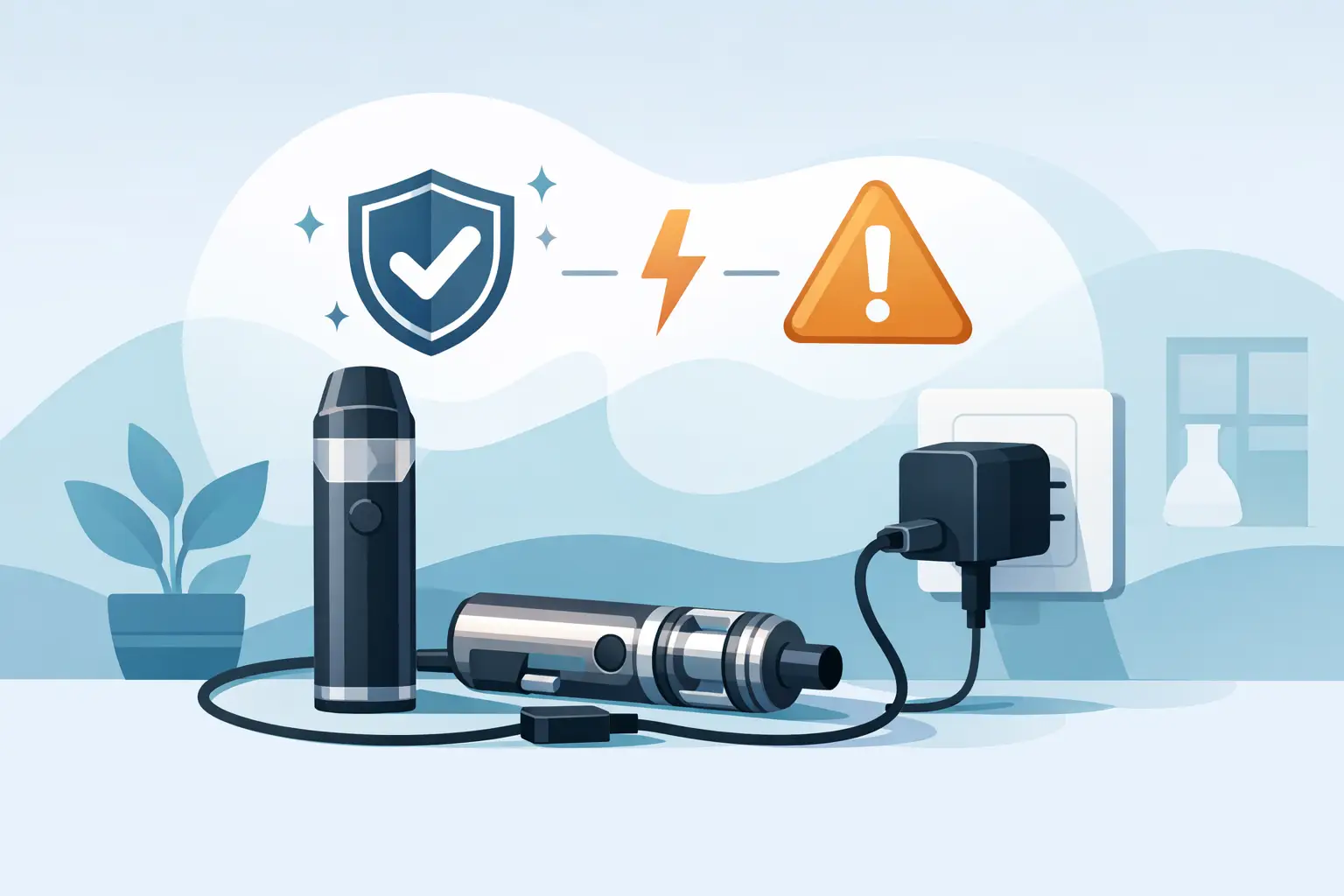
A dead vape is inconvenient. A mismatched charger can be worse, especially when it creates excess heat, unreliable charging, or gradual battery wear. This guide to choosing a vape charger focuses on the details that actually matter: the connection type, the power source, the cable quality, and the instructions supplied with your specific device.
The best choice is rarely the most powerful charger on the shelf. It is the charger and cable that match your vape’s stated charging requirements and let it charge at a stable, safe rate.
Start With Your Device’s Charging Port
Look at the port on the vape itself before buying anything. Most current pod systems and rechargeable devices use USB-C, while older models may use Micro-USB. A USB-C cable will not fit a Micro-USB port, and forcing any connector into place can damage the port or internal connections.
USB-C is popular because it is reversible, durable, and widely available. However, two USB-C cables can look identical while offering very different performance. Some are intended mainly for low-power charging, while others are built to handle higher power or transfer data. For most vape devices, a well-made USB-C charging cable from a reliable source is the sensible option rather than an unusually high-powered cable bought for a laptop.
If your device uses a proprietary magnetic charger or a specific charging dock, use that original style whenever possible. The shape may seem simple, but the manufacturer may have designed it around a particular charging contact arrangement. Substitutes are only worth considering when they are specifically confirmed as compatible.
Check Whether the Device Is Rechargeable
Not every vape is meant to be charged. Many disposable models are designed for use until the battery or e-liquid is depleted, while some newer disposable-style devices include a charging port to support the full listed capacity. A charging port is the clearest sign, but the packaging and product instructions should always have the final word.
Do not attempt to open, modify, or charge a device that does not state it is rechargeable. The small amount of convenience is not worth the risk to the device or your surroundings.
Match the Power Source, Not Just the Plug
A USB cable is only half of the setup. The wall adapter, power bank, vehicle outlet, or computer USB port supplies the power. For typical vape devices, a standard 5V USB power source is generally appropriate when the device instructions do not state otherwise.
The numbers printed on an adapter can be confusing. Voltage is the key compatibility figure, while amperage describes how much current the adapter can provide if the device requests it. A quality adapter does not push excessive current into a properly designed vape. The device’s charging circuit manages what it draws. Still, that does not make every cheap or damaged adapter a good choice.
Avoid unbranded adapters with loose ports, cracked housings, exposed metal, discoloration, or an unusually hot surface. These are warning signs that should not be ignored. A dependable adapter from a recognized electronics brand is a better long-term purchase than repeatedly replacing low-quality chargers.
Fast Charging Is Not Always Better
Fast charging sounds useful when you need your device ready before leaving home, but many compact vape batteries are not designed to benefit from aggressive charging. Some devices regulate their own charging speed, while others are intended for a slower, standard USB input.
If the manufacturer specifies a maximum input rating, follow it. If no detailed rating is provided, a standard wall adapter and good cable are usually the safe, practical choice. Charging may take a little longer, but stable charging creates less strain than chasing the quickest possible result.
A computer USB port can work in a pinch, although it may charge more slowly. A power bank can also be convenient during a long day, provided it is in good condition and used with a reliable cable. Do not leave a vape connected in a hot car, direct sunlight, or a tightly packed bag while it charges.
How to Choose a Reliable Vape Charging Cable
Cables are often treated as disposable accessories, yet they are one of the most common causes of intermittent charging. A cable that disconnects when touched, takes hours to charge a small device, or feels loose in the port should be replaced.
When comparing options, focus on build quality rather than flashy claims. A cable with firm connector ends, proper strain relief near each plug, and a flexible but substantial outer jacket is less likely to fail quickly. The cable does not need to be expensive, but it should not feel flimsy.
Length also matters. A very short cable is tidy and useful near a desk or power bank. A longer cable is more convenient near a bed or sofa, but avoid running it where it can be pulled, pinched by furniture, or tripped over. Tugging a cable sideways can damage the vape’s charging port over time.
If you own several USB-C devices, it is tempting to use one cable for everything. That is fine when the cable is undamaged and suitable for the power source, but keep an eye on fit. The connector should slide in smoothly and sit securely without wobbling. Never use a cable that requires pressure at a certain angle to begin charging.
Safe Charging Habits Protect the Device
The right charger is only part of the decision. How and where you charge has just as much impact on battery life and everyday safety.
Charge the device on a hard, clear surface away from paper, fabric, bedding, and heat sources. Keep the charging port dry and free from pocket lint. A small buildup of debris can prevent a solid connection and cause the cable to feel loose. If the port looks blocked, do not poke it with metal objects. A gentle visual check and careful cleaning by a qualified person is safer than forcing anything inside.
It is also wise to stay nearby while charging. Remove the device once it reaches a full charge unless its instructions clearly say otherwise. Modern devices usually include protection circuits, but supervision is still good practice, particularly if the battery is older or the charging behavior has changed.
Stop using the charger and device immediately if you notice excessive heat, a burning smell, swelling, leaking, repeated connection failures, or an unusually fast loss of charge. Do not try a different high-powered adapter to fix the issue. The problem may be the cable, port, or battery, and continuing to charge can make it worse.
Choosing a Vape Charger for External Batteries
Some advanced vape devices use removable batteries rather than an integrated internal battery. These require extra care. A dedicated external battery charger from a reputable manufacturer is usually preferable to relying solely on the device’s USB port, particularly for people who rotate more than one battery.
Choose a charger with independent charging slots so each battery is monitored separately. Useful safety features include reverse-polarity protection, overcharge protection, and clear charging indicators. Insert batteries in the correct direction and use matched batteries of the same type, age, and condition when your device requires a pair.
Do not carry loose batteries in a pocket, bag, or car console where they can touch keys, coins, or other metal items. Use a protective battery case instead. If a battery wrapper is torn, damaged, or worn, stop using it until it has been properly rewrapped or replaced.
When Replacing a Lost Charger
If you lost the original charger, begin with the device manual, packaging, or the label near the charging port. Look for the connector type and input specification. Taking a quick photo of that information can make it easier to get the right replacement.
For shoppers who want a quick answer, a clear photo of the device and its charging port can help a knowledgeable retailer identify the suitable cable or adapter. At VapeShop.bh, customers can ask for straightforward accessory guidance through WhatsApp before placing an order, which helps avoid buying the wrong connection type when time matters.
The safest charger is the one that fits properly, follows the device’s stated requirements, and remains in good condition. A few minutes spent checking those details can keep your vape reliable and make every recharge far less stressful.
Frequently Asked Questions
The safest choice is the charger and cable that match your device’s stated charging requirements. Check the port type, the power source, and any instructions from the manufacturer before using a replacement charger. A charger that fits physically is not always the right one electrically.
No, because a USB-C cable only works if your device actually has a USB-C port. Some older vapes still use Micro-USB, and proprietary magnetic chargers must be matched with the original style. If you are buying in Bahrain, it is better to confirm the connector first than force the wrong cable.
Not always, because a phone charger may deliver power in a way your vape was not designed to handle. The guide’s focus is on using a charger that matches the device’s charging requirements rather than the most powerful option available. If the device manual gives specific charging instructions, those should come first.
Check the connector type, the cable quality, and whether it matches the charging method your device uses. Two cables can look similar but still perform differently, especially with USB-C. A reliable cable from a trusted source is the safer option for everyday charging.
Excess heat can happen when the charger, cable, or power source does not match the device properly. This guide highlights that stable charging is more important than high power output. If charging feels unusually warm, the setup should be checked against the device’s instructions.
If the device uses a proprietary magnetic charger or a specific charging dock, the original style is the safest choice. For standard USB charging, the key is still to match the device’s stated requirements rather than guess. That matters whether you are shopping in Manama or anywhere else in Bahrain.
Charge it using the correct port, the correct cable, and the correct power source for that device. Keep the setup stable and follow the instructions that came with the vape. If any part of the charging setup is unclear, the manual should be treated as the final check.