

سيطرة على تدفق الهواء: كيف تضبط الفيب عشان ما يتسرب الجوس

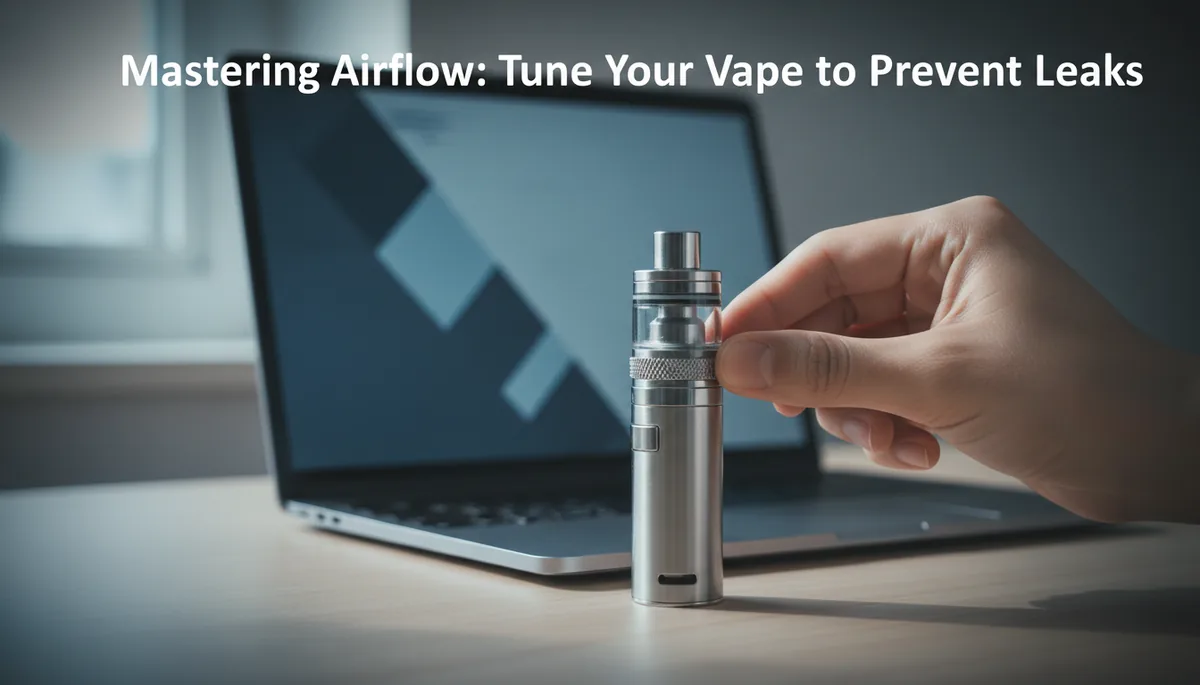
سيطرة على تدفق الهواء: كيف تضبط الفيب عشان ما يتسرب الجوس هالدليل للمبتدئين والمتوسطين في الفيب، خطوة بخطوة عشان تضبط تدفق الهواء وتوقف التسريبات بدون ما تخسر طعم أو غيوم. طبق التحققات والاختبارات والعادات اليومية هذي عشان تحصل أداء مستقر من البودات والتانكات والمودات. ⏱️ قراءة 6 دقايق فهم تدفق الهواء وديناميكيات التسريب
تدفق الهواء هو الطريق اللي يحمل البخار من غرفة الكويل لفمك. لو الطريق هذا أو السيلز حوله تعطل، الجوس يهرب مع الهواء كقطرات أو غرغرة أو هيتس مبللة. نقاط التسريب الشائعة: حلقات الأو رينج، سييلز التانك، اتصال 510، قاعدة الكويل، وقناة الفمية. علاقتين بسيطتين تذكرها: (1) كويل غرقان أو فتيل مشبع زيادة يدخل الطريق الهوائي ويتقذف لما تسحب، (2) مقاومة السحب تؤثر على الجوس – سحب شديد يجذب الجوس من فتيل معطل، وسحب واسع مفتوح يخلي الجوس يطلع للقنوات ويتراكم. الهدف: توازن راحة السحب، تدفق البخار، وتشبع الفتيل عشان الجوس يبقى مكانه. البودات مقابل التانكات مقابل المودات: ضبط تدفق الهواء حسب الجهاز
أنواع الأجهزة مختلفة في مخاطر التسريب وطرق الضبط: - **البودات**: حجرات صغيرة وتدفق هواء ثابت أو صغير قابل للضبط. التسريبات غالباً من سييلز البود للجهاز، فتحات الملء، أو جوس غير مناسب اللزوجة. ابدأ بتأكيد البود مثبت صح، وقفل التدفق شوي بعد الملء عشان الفتيل يستقر.
- **تانكات الساب-أوم**: كويلات كبيرة وتدفق سفلي شائع. تعطي غيوم قوية بس أكثر عرضة للغرقان لو الفتيل مش مثبت أو تستخدم جوس ثخين في جهاز للرقيق. ابدأ بـAFC نص مقفل (متوسط) بعد الملء عشان تتجنب الغرغرة الفورية.
- **المودات وRDA/RTA**: الريبيلدابلز تعطيك سيطرة على موقع الكويل والفتيل – قوي بس يحتاج ويكينج دقيق ومحاذاة تدفق صح. التانكات العلوية أقل تسريباً من السفلية لو الويكينج سليم. تصميم التدفق مهم: التانكات العلوية تقلل التسريب لأن الهواء ما يمر تحت السييلز، بينما السفلية تعتمد على أو رينج سليمة وقاعدة كويل محكمة. حلقات AFC تساعد تضبط المقاومة تدريجياً – دورها عشان تلاقي النقطة الحلوة بين الطعم، الغيوم، ومنع التسريب في ستأب الخاص بك. في البحرين، مع الحرارة العالية، خزن جهازك عمودياً وابتعد عن السيارة عشان الجوس ما يتمدد ويتسرب. قائمة عملية خطوة بخطوة لضبط تدفق الهواء - افحص التانك/البود: شوف الأو رينج، التريدز، وقاعدة الكويل على تلف أو رواسب. غير أي سييلز متشققة قبل الملء.
- ريمر والملء صح: رش الفتيل بالجوس شوي، املأ للخط، ولا تفرط في الفتحات. بعد الملء، انتظر 5-10 دقايق عشان الفتيل يتشبع تماماً – خاصة مع كويل جديد.
- اضبط AFC نقطة بداية محافظة: قفل التدفق 25-50% من الأقصى (نص مقفل). هذا يقلل التسريب الفوري ويخلي الفتيل يشتغل صح.
- اختبر السحب: سحب لطيف أول، شوف لو في غرغرة أو رذاذ – لو في، قفل أكثر أو زد شوي. سحب واسع؟ افتح تدريجياً بس راقب الرطوبة.
- نظف أسبوعياً: في المنامة والرفاع، الغبار يسد الفتحات بسرعة – اشطف بالماء الدافئ وجفف جيداً.
- نصيحة محلية: في VapeShop.bh، جرب بوداتنا مع جوس 20mg/ml max، واتصل واتساب +973 66324432 لو عندك مشكلة – توصيل سريع خلال ساعة!
الأسئلة الشائعة
Keep airflow closed when filling your vape tank or pod to prevent e-liquid from entering the central channel, which causes leaks. Open it just enough during vaping for good flavor and clouds without excess air pushing liquid out. In Bahrain, adjusting this simple setting helps most vapers stop leaks quickly.
Close the airflow holes completely while refilling to avoid juice flooding the chimney, then reopen partially for your preferred draw. Too much open airflow lets excess liquid escape, so start tighter for MTL vaping and test gradually. This tuning maintains flavor without leaks on pods or tanks.
Leaks from airflow holes often happen with wide-open settings, overfilling, or thin e-liquid flooding the coil. Tighten airflow slightly and ensure no juice enters the center tube during fills. Proper adjustment balances air and prevents liquid from seeping out.
Set airflow to a firm but gentle level that suits your inhale—avoid fully open to stop juice escape through vents. Close it fully when storing or filling, and wipe connections clean regularly. This prevents common flooding issues across pod systems and tanks.
Tune your vape by closing airflow during refills and priming, then adjust open for smooth hits without gurgling. Leave an air pocket at the top of pods and use the right viscosity e-liquid to minimize leaks. Bahrain vapers find this step-by-step method reliable for daily use.
If your tank leaks, reduce open airflow to limit juice drawn into the chamber, especially with forceful inhales. Keep the central chimney clear and components securely tightened without overdoing it. Testing tighter settings often fixes airflow-related leaks immediately.
Yes, close airflow when not vaping or during fills to block liquid from the vents and chimney. Reopen moderately for balanced vapor—too closed restricts flavor, too open causes leaks. Regular checks like this keep your setup leak-free.









One thought on “سيطرة على تدفق الهواء: كيف تضبط الفيب عشان ما يتسرب الجوس”