

How to Charge Vape Safely Without Risk

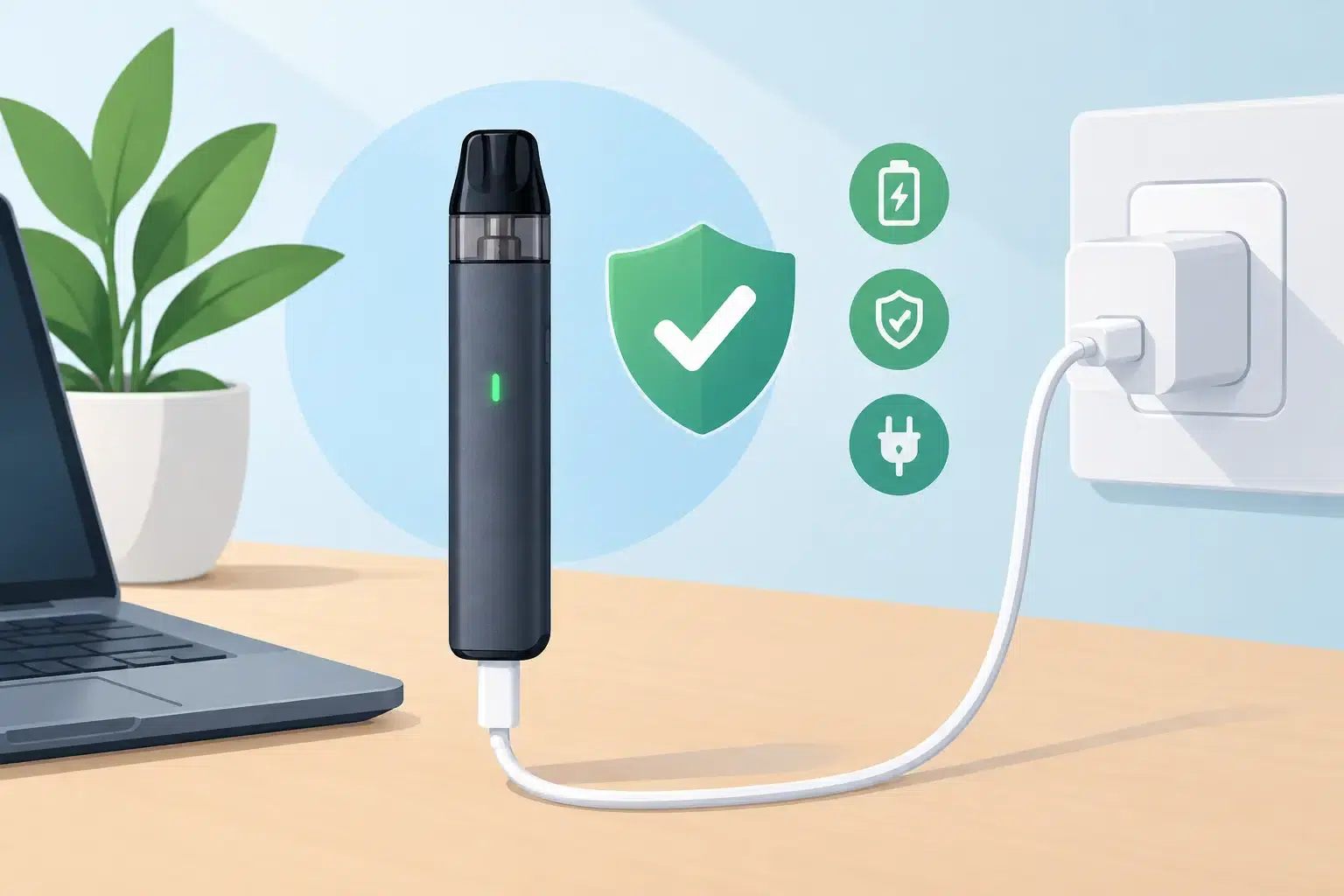
A vape that suddenly feels hot, takes far longer to charge, or shows a damaged cable is not a minor inconvenience. It is a reason to stop and check the setup. Knowing how to charge vape safely protects the battery inside your device, helps it last longer, and reduces avoidable risks at home, at work, or while traveling.
Most charging problems come from simple habits: using a random cable, leaving a device plugged in overnight, or charging it on a bed, sofa, or inside a hot car. The safer approach takes very little extra time. It starts with using the right equipment and paying attention while the battery is charging.
How to Charge Vape Safely From the Start
Your vape should be charged according to its manufacturer instructions. That means using the supplied cable when possible and pairing it with a suitable power source. A cable may fit the charging port but still be damaged, poorly made, or unsuitable for the device.
Avoid assuming that a powerful phone or laptop charger is automatically the best choice. Many modern charging adapters are designed to deliver fast charging to compatible devices. A vape generally does not need that extra output. Use the charging method stated by the manufacturer, and choose a quality adapter if one is required. If the device or cable becomes unusually warm, unplug it and do not continue charging until you have identified the cause.
Before connecting anything, check the charging port. Dust, e-liquid residue, bent pins, or corrosion can interfere with charging and create excess heat. Keep the port dry, and never plug in a vape that has been exposed to water or has visible liquid inside the port.
Charge on a clear, hard surface
Place the device on a stable, nonflammable surface such as a desk, table, or kitchen counter. Do not charge it on bedding, cushions, carpet, inside a drawer, or under clothing. Soft materials hold heat close to the device and make it harder to notice a problem early.
Keep charging away from direct sun, radiators, ovens, and other heat sources. This matters especially in Bahrain, where a device left in a parked vehicle can become dangerously hot even before it is connected to power.
Stay nearby while the vape is charging. You do not need to stare at it, but it should not be charging while you are asleep, out of the house, or unable to respond. Once the indicator shows a full charge, disconnect it. Leaving it plugged in for long periods is unnecessary and can add wear over time.
Use Cables and Adapters You Can Trust
A worn cable is one of the easiest risks to miss. Replace it if the outer coating is split, the connector is bent, the plug feels loose, or charging cuts in and out when the cable moves. Do not tape a damaged cable and keep using it.
The same applies to the power adapter. Use a reputable adapter in good condition and avoid loose wall sockets, overloaded extension cords, or cheap multi-port hubs that get hot during normal use. A good rule is simple: if the charging setup looks improvised, unreliable, or overheated, do not use it for your vape.
Never charge through a cable that has been pinched in a door, pulled tightly around furniture, or exposed to moisture. These issues can damage the internal wiring even when the outside of the cable appears mostly intact.
Do not force a connection
A charging plug should slide into the port without force. If it only works at a certain angle or keeps falling out, stop using it. Forcing a connector can damage the port and may create a short circuit.
Likewise, do not modify a vape, battery, cable, or charging port to make parts fit together. The small size of a vape does not make its battery harmless. Treat its charging components with the same care you would give any other rechargeable electronic device.
Know Which Vape You Are Charging
Not every vape is made to be recharged. Some disposable devices are intended to be discarded once the battery is depleted. Only connect a device to power if it clearly has a charging port and the manufacturer confirms that it is rechargeable. A port-shaped opening, damaged casing, or an online guess is not enough.
Rechargeable pod systems and vape kits usually contain a built-in battery. Their charging indicator may be a light, screen icon, or color pattern. Learn what your specific device displays when it is charging and when it is full. If the indicator behaves differently from usual, such as flashing repeatedly, failing to light up, or showing a warning symbol, unplug the device and check the user instructions.
Some advanced devices use removable batteries. These require extra care. Charge removable batteries only in a dedicated battery charger designed for that battery type, rather than inside the vape unless the device maker specifically permits it. Insert batteries in the correct direction and inspect the protective wrap before every use.
If a removable battery has a torn wrap, dent, leak, corrosion, or damaged top contact, do not charge or use it. Keep spare batteries in a protective case, never loose in a pocket or bag with keys, coins, or other metal objects.
Warning Signs That Mean Stop Charging
Charging should be quiet and predictable. Stop immediately if you notice a burning smell, hissing, swelling, smoke, leaking, sparking, or strong heat. Unplug the charger from the wall if it is safe to do so. Move away from the device, keep it away from flammable materials, and do not pick it up if it is hot or visibly damaged.
A vape that repeatedly overheats, loses charge unusually fast, or takes several hours longer than normal to charge may have a failing battery, faulty cable, or damaged charging port. Continuing to charge it will not solve the issue. Replace the affected accessory or device instead.
Do not attempt to open a sealed vape to inspect or repair its battery. Internal batteries are not a home repair project. A qualified retailer can help you identify whether the issue is likely the cable, charger, pod connection, or the device itself.
Everyday Habits That Protect the Battery
You do not need to drain a rechargeable vape completely before charging it. In fact, topping it up before the battery is fully empty is generally easier on the device than repeatedly running it down to zero. Charge when needed, then unplug when it reaches full capacity.
Avoid using the vape while it is connected to power unless the manufacturer specifically states that pass-through use is supported. Charging and using it at the same time can generate more heat and put unnecessary stress on the battery.
Store the device in a cool, dry place when it is not in use. If you are carrying it in a bag, protect the charging port from debris and avoid placing it where it can be crushed. For frequent travelers, pack the vape so it cannot switch on accidentally and keep charging accessories organized rather than tangled at the bottom of a bag.
It also helps to separate e-liquid handling from charging. Wipe any residue from the outside of the device before charging, especially around the port and base. A clean device is easier to inspect, and you are more likely to spot a crack, leak, or loose component before it becomes a bigger issue.
When Replacement Is the Safer Choice
Batteries naturally wear down. If a device is older, charges inconsistently, becomes hot more often, or no longer holds enough power for normal use, replacement is often the safer and more practical option. Trying multiple cables or adapters may be reasonable if you know they are compatible, but repeated charging faults are a signal not to ignore.
For adult vapers who need help choosing a compatible cable, charger, pod device, or replacement battery accessory, VapeShop.bh can provide straightforward product guidance before purchase. A quick question is better than using an unsuitable charger because it happens to be nearby.
Safe charging is mostly a matter of routine: use the correct equipment, keep the device visible on a hard surface, avoid heat, and stop at the first sign that something is wrong. Those few minutes of care are a worthwhile part of owning any rechargeable vape.
Frequently Asked Questions
Follow the manufacturer’s charging instructions and use the supplied cable whenever possible. Charge the device on a clean, flat, dry surface away from beds, sofas, direct sunlight, and other heat sources.
A phone or laptop charger is not automatically suitable because some adapters provide fast charging or extra output. Use the charging method and power source specified by the manufacturer, rather than assuming a cable that fits is safe.
Avoid leaving a vape charging overnight or unattended.
Unplug the vape if it becomes unusually warm or hot during charging, and do not continue until the cause has been identified. A device that feels hot, charges much more slowly than usual, or has a damaged cable should be checked before further use.
Inspect the cable for visible damage and confirm that it is suitable for the device, even if it fits the charging port. Before charging, check the port for dust, e-liquid residue, bent pins, or corrosion that could interfere with the connection.
Use a clean, flat, stable surface where the device remains visible and has airflow. Do not charge it on a bed, sofa, inside a drawer, or in a hot car, and keep it away from anything that can easily catch fire.
A longer charging time can indicate a problem with the cable, power source, charging port, or device. Stop charging if the vape is also unusually hot, then inspect the setup and follow the manufacturer’s instructions before trying again.