Coco Vape Explained: Coconut Flavours & Shisha Charcoal

What is coco vape and why is everyone talking about it?
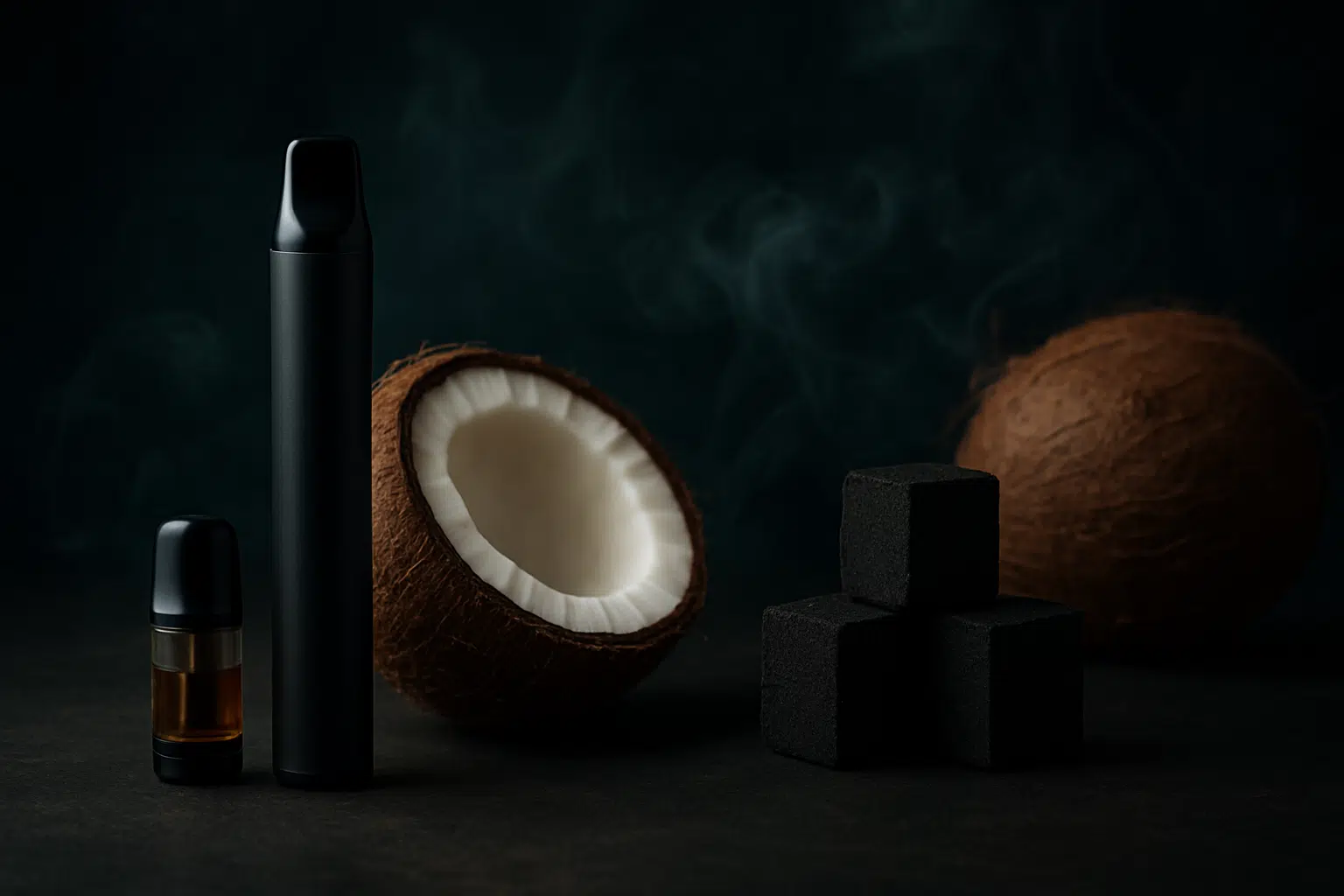
Type “coco vape” into Google and you will see a mix of vape flavours, shisha charcoal brands and reviews from smokers who are trying to switch away from cigarettes. The word “coco” usually points to coconut, and in the vape and shisha world that can mean two different things: creamy coconut e-liquids or natural coconut charcoal for hookah. For adult smokers in Bahrain who enjoy both فيب and shisha, this can get confusing very quickly, especially when brands like Tom Coco appear in both conversations.
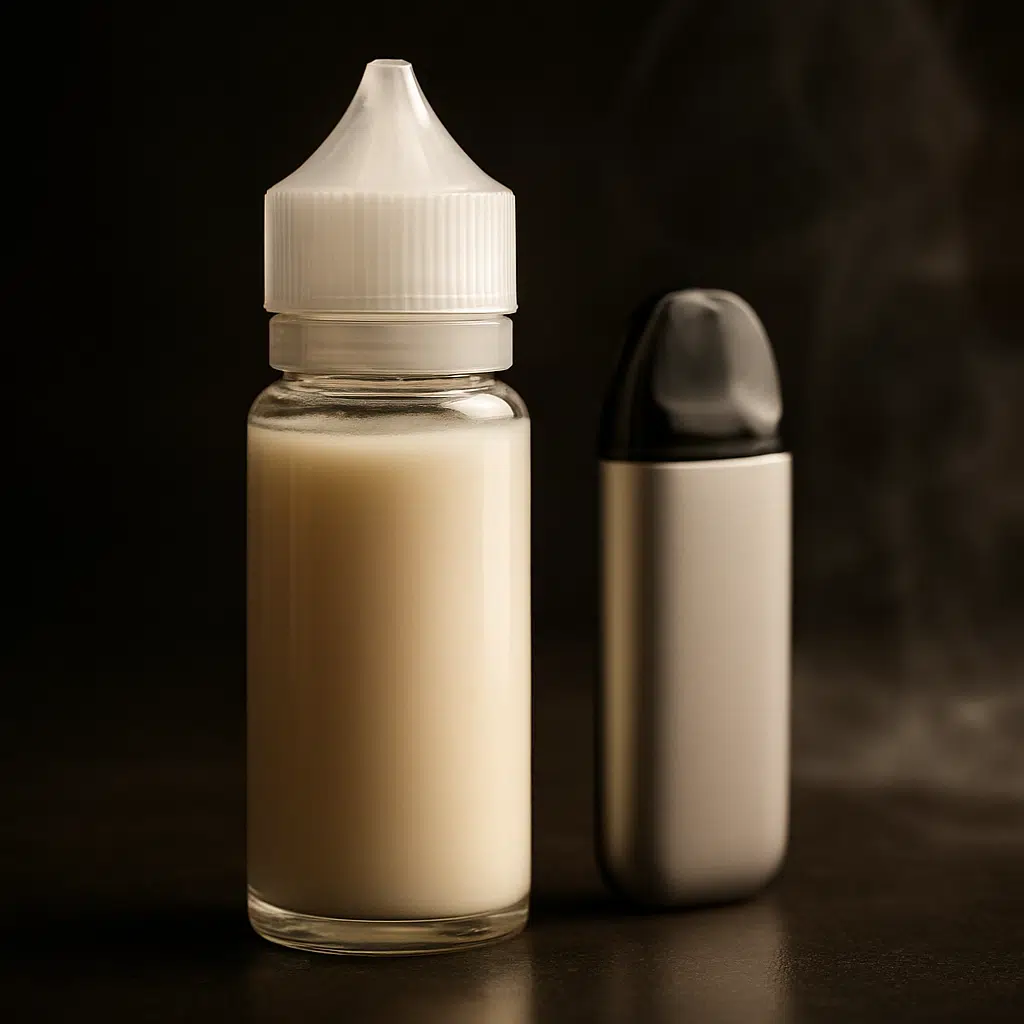
When vapers talk about coco vape, they often mean coconut-inspired e-liquids that bring a tropical, slightly creamy note to their pods or disposables. Some flavours mix coconut with vanilla, tobacco or lime ice, creating blends that feel rich without being too sweet. Coconut works well in e-liquids because it adds body to the flavour and can soften the throat hit, which many ex-smokers appreciate when they first move away from cigarettes. On the other side, shisha fans talking about coco usually mean coconut-based charcoal cubes that sit on top of foil and heat معسل slowly and evenly.
Understanding this difference matters for anyone searching for products in Bahrain. One side relates to nicotine vaping, where you are choosing e-liquids with regulated strengths up to the legal limit of 20mg per millilitre. The other side relates to how you heat your shisha tobacco, where the quality of your charcoal can completely change the taste, smoke density and comfort of the session. A blog about coco vape has to cover both, because many adult smokers here mix vaping in daily life with shisha sessions in cafés at night.
Is coco vape the same as coconut shisha charcoal?
Short answer: no. Vaping and shisha use very different technology, even though both can include coconut somewhere in the setup. Vapes work by heating e-liquid inside a small tank or pod using an electronic coil, creating vapour instead of smoke. Shisha relies on charcoal placed above the bowl to heat the tobacco through indirect heat, and that charcoal is where coconut usually appears. When you see names like “Tom Coco” or “cococha” on a box, you are looking at coconut charcoal, not a vape product.
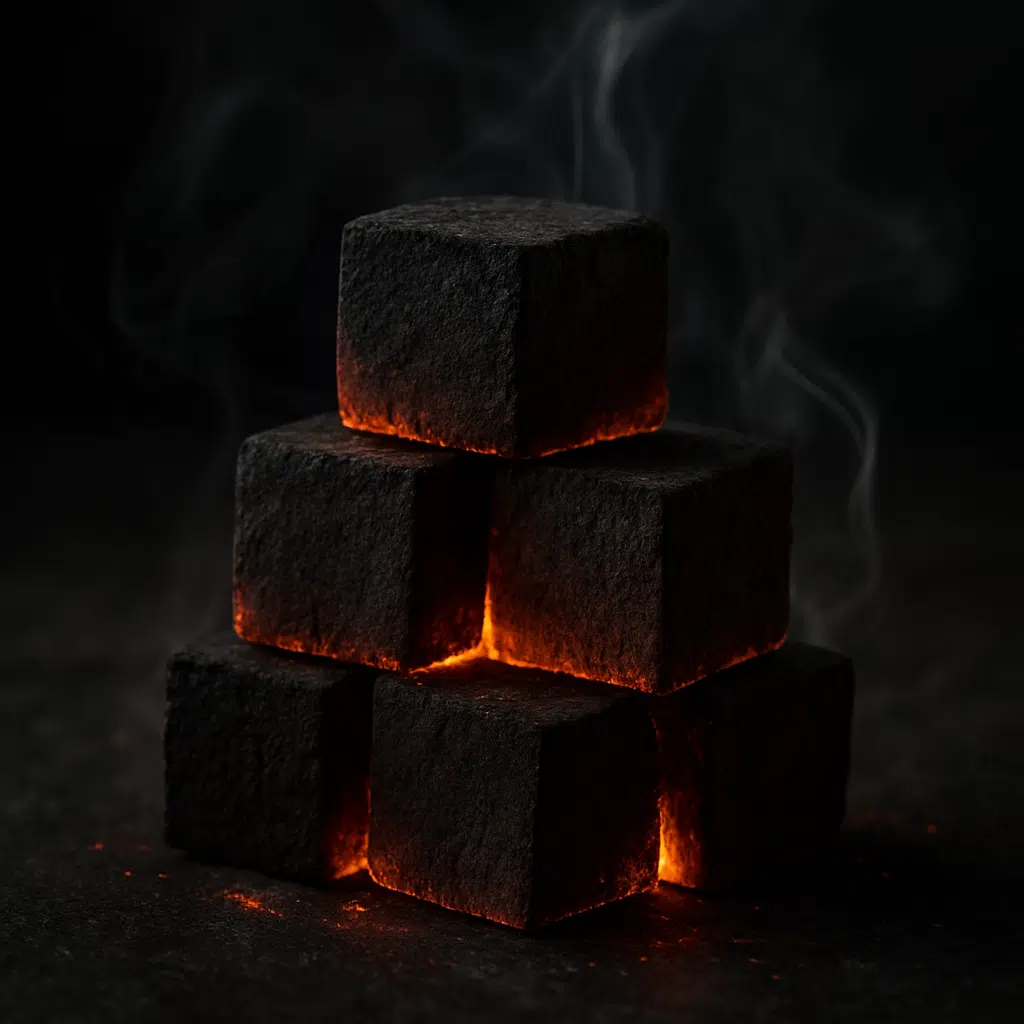
Natural coconut shisha charcoal is made from compressed coconut shells that are carbonised, cut into cubes and then baked again to lower moisture and improve stability. Smokers choose coconut coals because they burn longer, have low ash and produce a steady, clean heat. This gives smoother pulls, more consistent flavour and less mess on the tray compared with cheaper quick-light coals. For shisha fans in Bahrain, coconut charcoal has become a standard, particularly among those who enjoy regular café sessions or keep a home setup.
A good example is Tom Coco Gold Charcoal, available at VapeShop.bh. These cubes are made from 100% natural coconut shells sourced from Indonesia, pressed into precise 25mm x 25mm x 25mm blocks designed for stable heat and predictable performance. The burn time is around 90 minutes per cube in typical shisha use, which is long enough for a relaxed session without needing constant replacement. Importantly, this charcoal is used for shisha only and is never burned inside a vape device; it sits on top of the foil or heat management system and warms the tobacco indirectly.
So when someone says they prefer “coco vape” as a smoker, they might mean they enjoy coconut-flavoured e-liquids during the day and rely on strong coconut charcoal like Tom Coco Gold Charcoal when they switch to shisha at night. Understanding which “coco” you actually want will help you choose the right section on VapeShop.bh: vape flavours and salts for your pod system, or hookah accessories for your shisha setup. If you are ever unsure, sharing a photo or a quick message on WhatsApp at +973 66324432 makes it easy for support staff to confirm whether you are looking for an e-liquid or charcoal.
How do coconut flavours work in modern vape devices?
On the vape side, coco vape usually refers to coconut-based flavours in e-liquids. These can be freebase formulas for sub-ohm tanks or nicotine salt blends for compact pod systems. Coconut pairs naturally with creams, tobacco, vanilla and citrus fruits, so many popular blends use it as an accent rather than the only note. For adult smokers who are tired of plain tobacco taste, coconut brings warmth and depth without turning the flavour into pure dessert.
In pod systems, most coconut flavours come as nic salt e-liquids with strengths up to the legal cap of 20mg per millilitre under Bahrain’s BH 2:2021 regulation for electronic nicotine products. Nicotine salts are designed to give a smoother throat hit at higher strengths compared with classic freebase nicotine, which can feel harsh once you move beyond low levels. That smoother sensation is why many ex-smokers start with nic salts in the 10–20mg range, especially when using tight mouth-to-lung pods that mimic the pull of a cigarette.
Freebase coconut e-liquids usually sit at lower strengths such as 3mg or 6mg for use in bigger devices that produce more vapour. These are often paired with higher VG (vegetable glycerin) ratios to create thick clouds and a softer inhale, which suits cloud chasers who enjoy flavour but do not need intense nicotine. A coconut custard or coconut tobacco blend in freebase form can feel more like a shisha dessert bowl, making it attractive to shisha fans wanting a similar taste with less setup time.
The device choice matters just as much as the flavour. Compact pod systems are better suited to nic salts and moderate strengths because they use smaller coils and tighter airflow, making each puff more concentrated. Larger kits with adjustable wattage and big tanks work best with freebase liquids and lower nicotine levels because they deliver more vapour per inhale. If you are unsure which way to go, sharing your current smoking habit over WhatsApp at +973 66324432 lets the team match your intake with a suitable nicotine range and device type while keeping within Bahrain’s legal limits.
Coco vape vs traditional shisha: which suits your routine?
Many adults in Bahrain enjoy both shisha and vaping, but each fits differently into daily life. Shisha is a social ritual: you set up the hookah, pack the bowl, light charcoal, wait for the heat to stabilise and then settle into a long session with friends. Vaping is more practical, designed for quick use during breaks, drives or at home without understanding coal behaviour and heat management. Coconut appears in both worlds, yet it plays very different roles.
With shisha, the choice of charcoal can make or break the session. Poor-quality coals may spark, smell chemical, produce too much ash or burn unevenly, all of which can lead to harsh smoke and headaches. Natural coconut charcoal like Tom Coco Gold Charcoal is popular because it lights reliably on an electric stove, gives a stable red glow and creates minimal ash. Most users will rotate cubes around the edge of the bowl to manage heat, helping avoid burnt معسل while keeping clouds dense.
Vaping replaces that whole setup with a single device and a bottle or pod of e-liquid. There is no charcoal, no foil and no waiting; you press a button or draw on the mouthpiece and the coil inside heats the liquid electronically. For smokers who want nicotine without smoke and ash, this is the main advantage. Nicotine strengths can be chosen within the legal range, flavour profiles can be swapped instantly by changing pods, and there is no lingering smell on clothes compared with shisha smoke.
To highlight the difference, consider a simple comparison table.
| Aspect | Coco vape (coconut e-liquid) | Coconut shisha charcoal |
|---|---|---|
| Main purpose | Flavour and nicotine delivery via vapour | Heat source for shisha tobacco |
| Preparation time | Minimal – fill pod or tank | Requires lighting and heating coals |
| Residue | No ash, only spent coil and empty bottle | Ash on tray and used charcoal |
| Usage setting | Quick everyday use | Long social sessions |
Neither option is “better” in a universal way; it depends on what you want from your smoking or vaping habit. Some adults prefer shisha culture in places like Adliya or Manama for social evenings, then rely on discretely flavoured coco vape liquids during workdays to manage cravings with less hassle. Others may move fully to vaping to cut down on smoke exposure and reserve shisha for rare occasions, where high-quality coals such as Tom Coco Gold Charcoal keep those sessions comfortable and consistent.
How to choose coco products at VapeShop.bh
When you search for coco products on VapeShop.bh, you are likely to see both coconut-flavoured e-liquids and coconut charcoal among the results. Choosing between them starts with a simple question: are you looking to vape or to set up a shisha? For vaping, focus on flavour descriptions mentioning coconut, cream, tropical mixes or dessert-style blends. For shisha, look specifically for charcoal with “coco” or “coconut shell” in the name, such as the dedicated product page for Tom Coco Gold Charcoal.
The Tom Coco Gold option is straightforward. It is priced at 1.363 BHD and designed for users who value clean, steady heat in their hookah sessions. Each cube is 25mm on all sides and made from natural coconut shells, offering around 90 minutes of burn time under typical use. This makes it suitable for most standard bowls and heat management devices without constant refilling. If you are used to café coals and want something more consistent at home, upgrading to a branded coconut charcoal like this can be a noticeable quality jump.
For vape flavours, it helps to think about your smoking history. Heavy cigarette smokers typically start with nic salts closer to the upper side of the legal range, then step down slowly as cravings reduce. Coconut flavours fit well here because they soften the overall taste and can blend with tobacco notes, making the transition less abrupt. Lighter smokers or those already using vape devices may prefer lower strengths and more complex coconut mixes that highlight cream or fruit instead of nicotine punch.
One of the advantages of ordering online from the first dedicated vape store in the Kingdom is convenience. VapeShop.If you are unsure whether a flavour is too sweet or a charcoal pack suits your hookah size, sending a quick WhatsApp message to +973 66324432 allows staff to suggest options based on what you currently smoke and which device you use.
Tips for using coconut shisha charcoal safely
Even though natural coconut charcoal is cleaner than many quick-light alternatives, it still involves open heat and requires care. Safety starts with where you light the coals. Always use a stable, heat-resistant surface such as an electric stove or a dedicated charcoal burner, keeping the area clear of paper, fabric or other flammable materials. Lighting coals on a gas flame, near curtains or on plastic surfaces risks accidents that are entirely avoidable with a little planning.
Ventilation is another key point. When coconut cubes like those in Tom Coco Gold Charcoal are heating up, they release gases that are best dispersed in a well-ventilated space. Lighting charcoal near an open window or in a kitchen with an extractor fan helps keep air fresh. Once the coals are fully lit and covered in a thin layer of white ash, they are ready to be transferred to the bowl using proper metal tongs, not fingers or improvised tools that could slip and cause burns.
Handling used charcoal also matters. Even when a cube looks dark and inactive, it can retain enough heat to ignite nearby material. Let coals cool completely on a safe surface, ideally left overnight, before disposing of them in a bin. Avoid using lighter fluid, petrol or similar accelerants on coconut coals; these can leave chemical residues that affect taste and expose users to unnecessary fumes. Electric burners or dedicated hookah hotplates offer consistent heating without extra chemicals.
Finally, store your charcoal in a dry place. Coconut coals can absorb moisture from humid air, which makes them harder to light and reduces performance. Keeping the box sealed and away from bathrooms or open balconies helps maintain their quality. If you ever notice unusual smell, excessive cracking or sparking from a batch, it is better to stop using it and ask for guidance via WhatsApp at +973 66324432 so staff can help you troubleshoot or recommend alternatives.
Where does coco vape fit into Bahrain’s smoking culture?
Bahrain has a long shisha tradition, with cafés and lounges across the country and many families keeping home hookahs as part of their evening routine. Coconut charcoal brands like Tom Coco have quietly become part of that culture, offering reliable heat and less mess compared with older options. At the same time, vaping has grown as a tobacco alternative among adults who want more control over nicotine intake and fewer smoke-related side effects. Coco vape, in its flavour form, sits at the intersection of those habits.
Regulation plays a role in shaping how coco vape develops locally. Under the technical regulation BH 2:2021, nicotine strengths in e-liquids are limited to 20mg per millilitre, and sales of e-cigarettes to minors are prohibited. This means coconut nic salt flavours used in pods must stay within those boundaries and are intended only for adult smokers or vapers. For those switching from cigarettes, this structure allows a more gradual reduction in intake by choosing different strengths over time while keeping the same familiar flavour.
Socially, many adults now mix vaping and occasional shisha rather than relying on one habit alone. A person might use a coco vape flavour at work because it is discreet, produces less smell and does not require charcoal, then enjoy a shisha with coconut coals at a café on weekends as a social treat. Having access to both quality e-liquids and reliable charcoal gives more flexibility in managing nicotine and smoke exposure, especially for those balancing health concerns with social life.
For practical support, having a single online store that understands both sides helps. VapeShop.bh, formerly known as BhVapers.com, has served over 10,000 customers across the Kingdom and stocks both vape products and accessories like Tom Coco Gold Charcoal. Whether the question is about choosing a coconut salt for a compact pod or figuring out how many charcoal cubes to use on a particular bowl, a quick WhatsApp message to +973 66324432 connects you to staff who speak the language of both shisha and vape, without pushing unnecessary products.
Frequently Asked Questions
When people say coco vape, they usually mean one of two things: coconut-inspired e-liquids for فيب or coconut-based shisha charcoal used to heat معسل. Coconut e-liquids focus on flavour and nicotine delivery, while coconut charcoal brands like Tom Coco are all about how evenly and cleanly your shisha bowl is heated.
Coco vape is not one fixed brand name; it is a common way people describe coconut-style vape flavours or talk about coconut charcoal. In vape conversations, it usually points to creamy or tropical coconut e-liquids, whereas in shisha discussions it often refers to coconut charcoal cubes such as Tom Coco.
Vapers use the term coco vape for e-liquids where coconut adds a rich, slightly creamy note, sometimes mixed with vanilla, tobacco or lime ice. Shisha smokers use "coco" more for coconut-based charcoal placed on foil, which heats the معسل slowly and evenly for a smoother, longer-lasting session.
The word "coco" comes from coconut, so it naturally gets used both for flavour profiles and for charcoal products made from coconut shells. In the vape world, coco points to taste and throat hit, while in shisha it highlights cleaner-burning charcoal that many smokers prefer over traditional quick-light coals.
Smokers in Bahrain see coco vape everywhere because search results mix coconut e-liquids, shisha charcoal brands and reviews from people trying to move away from cigarettes. This creates confusion for adults who enjoy both فيب and shisha, since the same "coco" term is used for two very different product types.
When coco vape is used for e-liquids, it often relates to nicotine vaping where strengths are regulated up to 20mg per millilitre under Bahrain law. When someone says "coco" about charcoal, they are talking about how their shisha is heated, not about nicotine at all, which is why separating the two uses is important.
If the product mentions flavours, pods, disposables or nicotine strength, it is part of the coco vape conversation around e-liquids. If it talks about cubes, charcoal, hookah or معسل heating, it belongs to the shisha side, where brands like Tom Coco focus purely on the coal used on top of your bowl.