
Guide to Refillable Pod System Setup

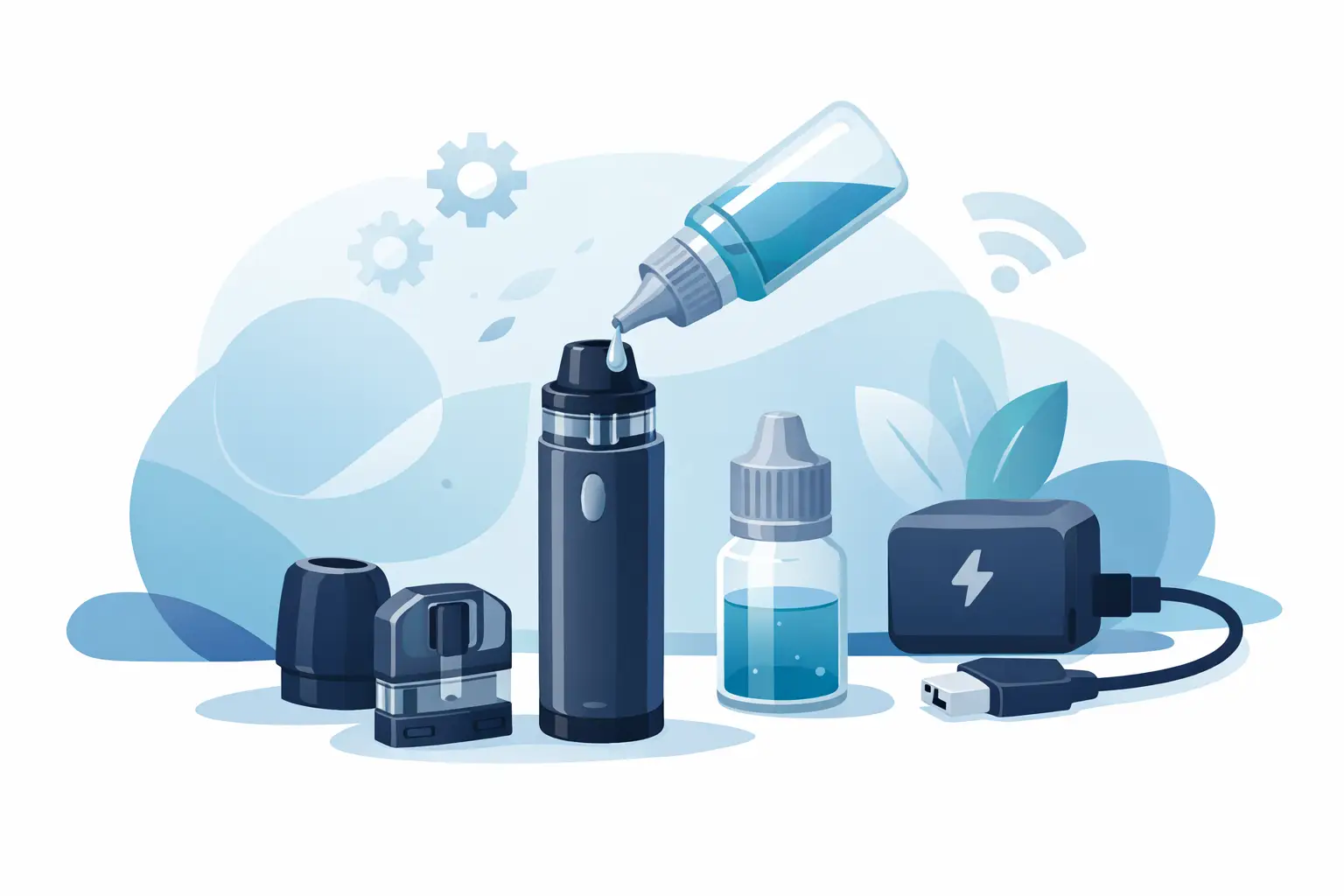
A refillable pod device can be one of the easiest ways to vape – until the first setup goes wrong. A burnt hit, a leaking pod, or weak flavor usually comes down to a few small details. This guide to refillable pod system setup focuses on those details so your device works properly from the start.
Refillable pod systems appeal to both new and experienced adult vapers for a reason. They are compact, straightforward, and often more flexible than disposables because you can choose your e-liquid and replace pods or coils as needed. But that flexibility also means setup matters. The right pod, coil, liquid, and airflow settings all affect performance.
What a refillable pod system setup actually involves
When people think about setup, they often picture filling the pod and pressing the fire button. In reality, a proper refillable pod system setup starts earlier – with matching the device to how you vape.
Some pod systems use built-in coils, which keeps things simple. Once the coil is worn out, you replace the whole pod. Others use replaceable coils, which can be more cost-effective over time but require a little more attention during installation. Neither is automatically better. If you want fewer steps, built-in coil pods are usually the easier choice. If you like more control and don’t mind basic maintenance, replaceable-coil systems can make more sense.
Battery size, draw style, and pod capacity also matter. A compact pod device is convenient for daily use, but a smaller battery may need more frequent charging. A tighter draw often feels closer to a cigarette-style inhale, while a looser draw can produce more vapor. The best choice depends on what feels comfortable, not on what looks most powerful on the box.
Choose the right pod, coil, and e-liquid
A good setup begins with compatibility. Not every pod fits every device, and not every coil works well with every type of e-liquid. That is where many performance issues begin.
Lower-resistance coils generally produce warmer vapor and more cloud output, but they also use more e-liquid and battery power. Higher-resistance coils are usually better for a tighter draw and more restrained vapor production. If you prefer a smooth, efficient all-day vape, a higher-resistance option is often the safer starting point.
E-liquid choice should match the coil style. Thinner liquids typically absorb into the wick faster, which helps with smaller pod coils. Thicker liquids may work better in devices designed for higher output, but in a compact pod they can struggle to wick fast enough. That can lead to dry hits or shortened coil life.
If you are unsure where to start, it is usually smarter to stay close to the device maker’s recommended range rather than chasing maximum vapor. Better balance tends to give better everyday results.
How to set up a refillable pod system the right way
The first fill is where patience pays off. If your pod system uses a replaceable coil, install the coil firmly but do not force it. A loose coil can cause leaking, while an over-tight fit can damage seals.
Before filling the pod, check the fill port and make sure the silicone plug or sliding cap opens cleanly. Fill slowly and leave a small pocket of air at the top instead of overfilling. That small gap helps pressure stay stable inside the pod.
Once filled, let the pod sit before vaping. This gives the wick time to absorb e-liquid fully. Skipping that waiting period is one of the fastest ways to burn a fresh coil. If the coil has exposed cotton openings, adding a small amount of e-liquid directly to those areas before installing can help prime it, but only if the device design allows it.
After the waiting period, start with a few gentle puffs rather than a long draw. If your device has adjustable wattage, stay at the lower end of the recommended range for the first several puffs. If it has airflow control, begin in the middle and adjust from there.
That first session tells you a lot. If the flavor is muted, the coil may still be saturating or the airflow may be too open. If the draw feels harsh, the wattage may be too high or the coil may not be fully primed.
Airflow, power, and draw settings
A refillable pod system can feel completely different with a few small adjustments. Airflow is the easiest example. More open airflow usually creates a cooler, airier vape with more vapor. Tighter airflow increases warmth and concentration of flavor, but if you close it too much, the draw can feel restricted in an unpleasant way.
Power settings matter just as much, if your device includes them. Running a coil too high can burn the wick, dull sweetness, and shorten coil life. Running too low can make flavor feel flat and produce excess condensation. The ideal setting is usually not the highest one. It is the point where flavor, warmth, and consistency all feel right.
Draw technique also gets overlooked. Pod systems are often designed for steady, moderate puffs rather than sharp, aggressive inhales. Pulling too hard can flood the coil or draw excess liquid into the chimney, which may lead to spitback.
Common setup mistakes and how to avoid them
Most pod problems are preventable. Leaking, for example, often comes from one of three things: a coil that is not seated correctly, a pod that is overfilled, or a device left in a hot environment. Heat thins e-liquid and changes pressure inside the pod, which can push liquid out where it should not go.
Burnt taste usually points to poor priming, chain vaping too quickly, or using a liquid that the coil cannot wick efficiently. If the wick cannot keep up, the cotton dries out in spots and scorches. Once that happens, the taste rarely recovers.
Gurgling and spitback often mean too much liquid has entered the coil chamber. This can happen after filling, after drawing too sharply, or when condensation builds up over time. A gentle clean around the pod contacts and mouthpiece can help, but repeated flooding usually means something in the setup needs adjusting.
Weak flavor can be more complicated. Sometimes the coil is simply old. Other times the airflow is too open, the power is too low, or the pod connection needs cleaning. Flavor loss is not always a sign that the device is failing.
Coil care and pod maintenance
A pod system does not need complicated upkeep, but it does need regular attention. Wipe the pod base and device contacts every so often to clear away condensation. That helps maintain a reliable connection and can prevent misfires or pod detection issues.
Try not to let the pod run completely dry. Keeping some e-liquid above the wick ports helps the coil stay saturated. Repeatedly vaping a nearly empty pod can shorten coil life even if you never get a full burnt hit.
Coil lifespan varies based on power level, e-liquid, puff frequency, and sweetness. Some people get many days of strong performance, while others need a change sooner. The clearer sign is performance, not the calendar. When flavor drops off, the draw feels rough, or the coil starts tasting dull no matter what you do, it is time to replace it.
If your device uses replaceable pods rather than just coils, inspect them for cracks, loose seals, or wear around the fill port. A tired pod can leak even with a fresh coil.
When simple is better
There is a temptation to over-adjust a new device. More power, more airflow changes, more experimenting right away. Usually, the better approach is to start simple and make one change at a time.
Use the recommended coil. Fill the pod carefully. Let it sit. Start at a conservative setting. Then adjust based on what you actually feel. That method takes a little longer on day one, but it usually saves time, coils, and frustration after that.
For adult vapers who want a dependable setup without guesswork, having access to the right device and compatible pods matters as much as technique. That is one reason many customers in Bahrain prefer ordering through https://Vapeshop.bh – it makes it easier to get the correct pod, coil, or e-liquid quickly instead of trying to troubleshoot with the wrong parts.
A refillable pod system works best when you treat setup as part of performance, not just a first step. Get the basics right, and the device tends to stay easy, clean, and consistent – exactly what most people wanted when they chose a pod system in the first place.
Frequently Asked Questions
First, charge the device fully and ensure it's turned on by pressing the fire button five times if it has one. Remove the pod, clean the contacts and base with a cotton bud or tissue to remove dirt, condensation, or e-liquid residue, then reseat it securely. If it still doesn't work, let a fresh pod soak for 5-10 minutes after filling before use.
Leaking often happens from overfilling the pod—always stay below the fill line and leave room for the silicone stopper to seal properly. Check for damaged seals or thin high-PG e-liquids that leak more easily, and avoid drawing too hard. Blow gently through the mouthpiece onto a tissue to clear excess liquid.
Burnt hits usually come from a coil past its lifespan, chain vaping without breaks, or not priming a new coil by letting e-liquid soak for 5-10 minutes. High wattage settings or dry running can also burn the coil. Switch flavors or replace the pod if flavor fades.
Gurgling means the coil is flooded—remove the pod and blow firmly through the mouthpiece onto a tissue to clear excess e-liquid. Press the fire button a few times without inhaling to burn off liquid, and clean airflow holes with a cotton bud. Avoid overfilling next time.
Weak flavor often results from an old or burnt coil, unprimed coil not soaking long enough, or using the wrong e-liquid type like high VG in small coils. Flavor fatigue from the same taste can also play a role. Prime new pods properly and match e-liquid to the coil.
Fill to the line without overfilling, seal tightly, and let it sit 5-10 minutes for the coil to soak before first use to avoid dry hits. Clean connections and ensure the pod clicks in securely. Store upright and use 50/50 or salt nic e-liquids for best results.
Check for condensation or dirt blocking the airflow sensor—remove the pod and clean holes with a cotton bud. Puff a few times without the pod to clear pathways, and ensure contacts are dry and aligned. Test with a new pod if issues persist.